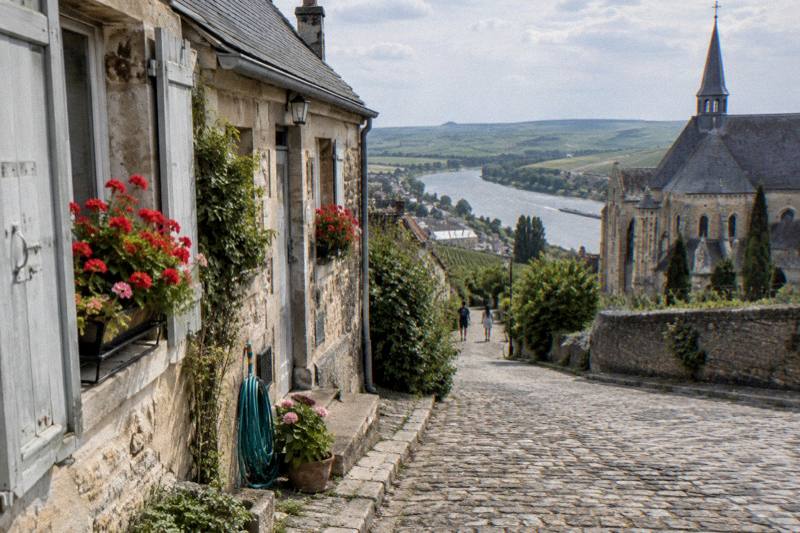
Is Reims Worth Visiting: What The City Offers
Reims is the working capital of Champagne: a gothic cathedral where French kings were crowned, four UNESCO-listed champagne houses with cellars cut into chalk, and a TGV link that puts it about 45 minutes from Paris Est.
Short answer
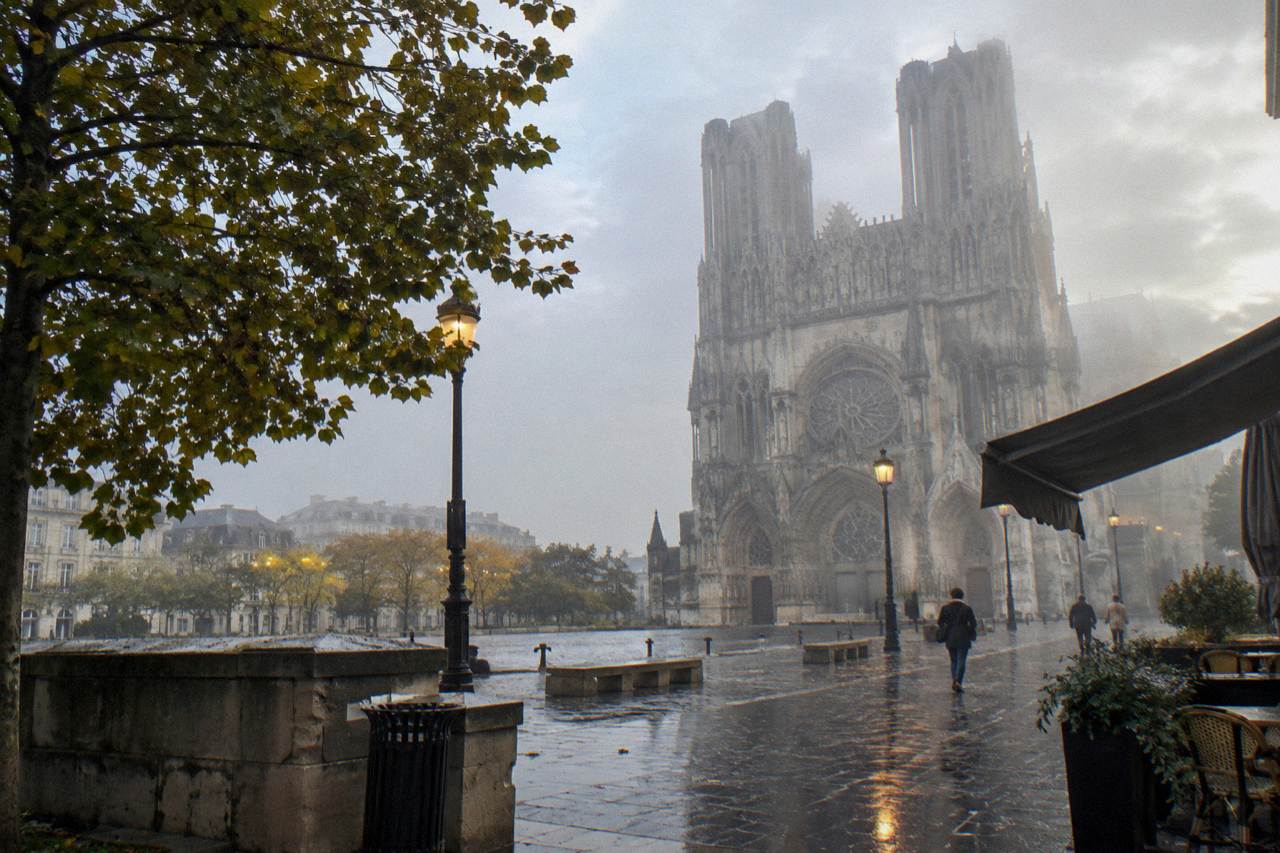
Yes, and for two reasons that rarely come in the same city. Reims Cathedral is a UNESCO World Heritage Site inscribed in 1991, and beneath the city lie chalk cellars belonging to houses including Veuve Clicquot, Taittinger and Pommery. Paris Est reaches Reims by TGV in about 45 minutes, and city tasting experiences start from $19.00 per person.
Reims does two jobs at once, and it does both of them seriously. It is the city where twenty-five royal coronations took place in a cathedral now on the UNESCO World Heritage List, and it is the commercial heart of an appellation that ships 266.1 million bottles a year. Most visitors arrive for the second reason and stay for the first. The champagne houses here are not outskirts attractions: Veuve Clicquot, Taittinger, Pommery and Mumm all sit inside or on the edge of the city, and the Gallo-Roman chalk cellars of Veuve Clicquot and Taittinger fall inside what UNESCO inscribed in 2015 as part of the Champagne Hillsides, Houses and Cellars property.
The practical case is just as strong. The TGV from Paris Est covers the distance in about 45 minutes, which makes Reims one of the easiest wine-region escapes from the capital in France. Add a walkable centre, a cathedral that costs nothing to enter, several strong small museums and a winter calendar of wine salons and illuminations, and the question stops being whether Reims rewards a visit and becomes how much time to give it. This guide works through that decision, from the cathedral to the cellars to the price of actually getting there. If keeping costs down factors into that decision, the guide to Reims's free sights and riverside walks covers everything from the cathedral square to what a paid tasting would actually add.
Is Reims Worth Visiting?
Yes. Reims earns its place on almost any northern France itinerary by pairing a UNESCO-inscribed gothic cathedral with four major champagne houses inside the city limits, all about 45 minutes from Paris by TGV. The Comité Champagne counts 410 houses and 16,460 growers across the appellation, and Reims holds the largest concentration of the famous names. A first visit works as a day trip; a weekend works better.
The answer depends on what a traveller wants from a stop. Someone chasing cellar doors, tasting counters and vineyard lanes will find Reims more urban than picture-book: it is a working regional city, rebuilt heavily after the First World War, with art deco façades sitting beside medieval stone. The champagne experiences, though, are exceptional and dense. Within a single afternoon a visitor can descend into Pommery's cellars, where the temperature holds at 10 C all year, walk the Avenue de Champagne counterpart in Épernay an hour south, and still be back in Paris for a late dinner.
The city's other half matters too. Reims Cathedral, inscribed by UNESCO in 1991 together with Saint-Remi Abbey and the Palace of Tau, hosted the coronation of French kings across centuries, and its western façade carries one of the great sculptural programmes of gothic Europe. Entry to the cathedral itself is free. Few wine towns anywhere can put a monument of that rank next to the cellars, and that combination is the core of the yes.
What Makes Reims Cathedral Worth The Trip?
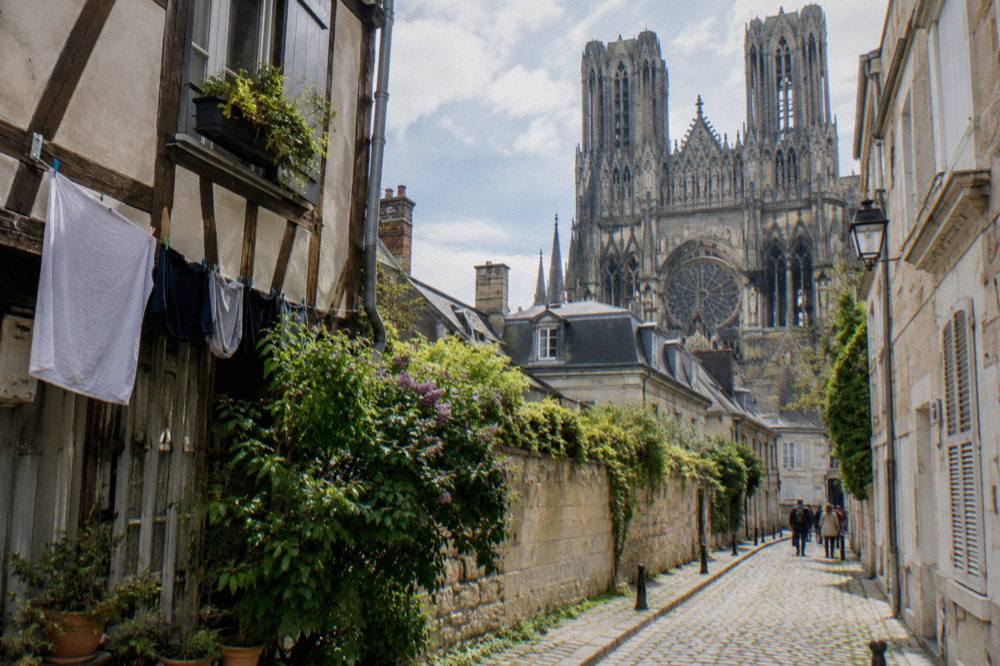
Reims Cathedral is a UNESCO World Heritage Site, listed in 1991 alongside the former Abbey of Saint-Remi and the Palace of Tau, and it is the church in which French kings were crowned for centuries. Entry is free, the towers can be climbed on guided tours, and the Palace of Tau next door is closed for renovation until 2027.
The cathedral of Notre-Dame de Reims is the reason the city existed on royal itineraries at all. Twenty-five coronations took place here, a tradition UNESCO itself notes on its listing page for the site, and the building carries the Smiling Angel of Reims, the flying buttresses and a nave that survived the devastation of the First World War. Visitors today walk in without a ticket. The full experience is laid out in the Reims Cathedral guide, which covers the stained glass, the modern chapel windows and the practical details of a visit.
Two access points need planning. The towers are open only through booked guided tours, running Tuesday to Saturday at fixed hours, with online booking required and Mondays closed; the tower season runs to 15 November 2026, after which the towers shut until 15 February 2027. The neighbouring Palace of Tau, the former archbishop's palace where coronation banquets were held, is closed to the public for renovation works until 2027, with only a temporary bookshop open. Neither closure touches the cathedral floor itself, which remains the free, walk-in centrepiece.
For most day trippers the cathedral occupies a generous hour, longer with the towers booked. Its position is also convenient: it sits between the city centre and the Saint-Nicaise hill cellars, so a morning in the nave leads naturally into an afternoon underground.
The city discovery walk with a tasting is the lightest commitment at from $19.00 per person. The cathedral-and-tastings day trip from Paris bundles transport, lunch and Reims Cathedral into one booking from $391.00 per person. And the four-tastings day built around the Verzenay lighthouse is the budget entry point for a full Paris departure at from $202.00 per person, with a 4.25 rating across 21 reviews, a figure too thin to treat as a quality signal either way.
Is Reims Worth A Day Trip From Paris?
Yes, comfortably. Paris Est reaches Reims by TGV in about 45 minutes, and a full champagne day trip from Paris by minivan or coach runs 10 to 13 hours door to door, priced from $202.00 to $432.18 per person for shared and small-group formats. A day trip covers one cathedral visit plus two or three cellar stops without rushing. If you're still weighing whether the trains, the cathedral, and the cellar visits fit together, our guide to planning a Reims day trip from Paris lays out a workable schedule.
The maths favours Reims over nearly every other champagne base. An early train puts a traveller in the city before the houses open, and a late return leaves time for dinner near the station. Independent visitors who want the structure of a guided day can join a tour that handles the driving between Reims and Épernay, which matters because the two towns anchor different halves of the region: Reims for the grandes maisons and the cathedral, Épernay for the Avenue de Champagne. The trade-offs between the two bases are compared in Reims or Epernay, and the train options are covered in detail in Paris to Reims by Train.
On the guided side, the Cathedral Stop, Lunch Included day from Paris is a strong fit for first-time visitors: from $391.00 per person, 11 hours, hotel pickup and lunch both included, free cancellation listed, rated 4.83 across 726 reviews, with stops at Reims Cathedral, Épernay and the Avenue de Champagne. Travellers who prefer a lower fare and are happy to buy their own lunch can look at the Base Fare, Pickup Included tour instead, from $257.00 per person, small group of at most 8, rated 4.76 across 64 reviews, covering the cathedral and the Avenue de Champagne over 12 hours. Booking either is a matter of checking the live listing for your date, since departure points and house line-ups shift through the year.
What Champagne Houses Can You Visit In Reims?
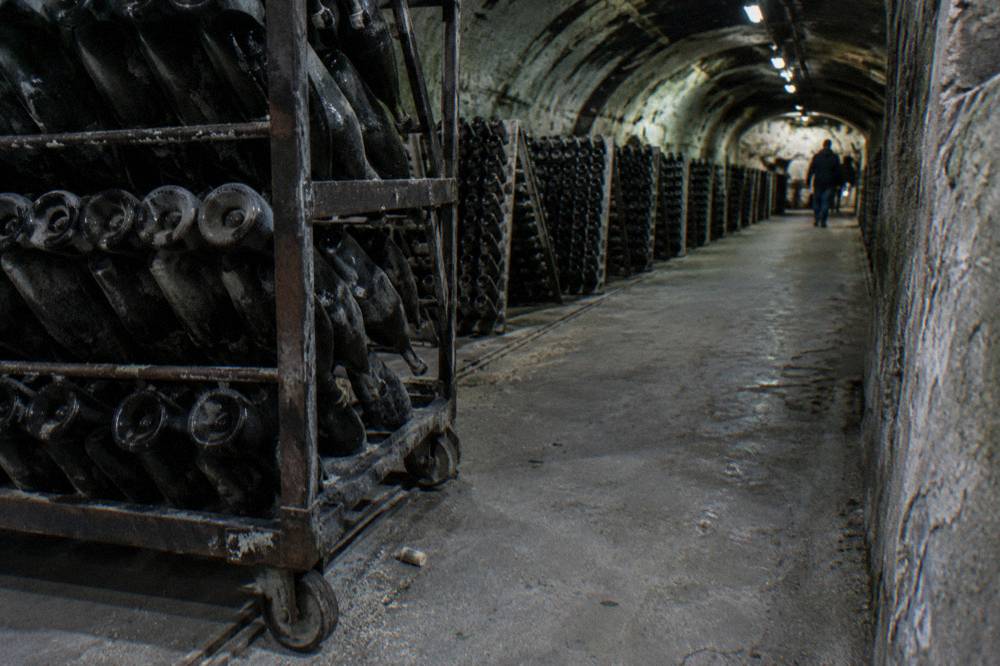
Four famous houses welcome visitors inside Reims itself: Veuve Clicquot, Taittinger, Pommery and Mumm, all with cellars cut into Gallo-Roman chalk quarries now on the UNESCO World Heritage List. Visit prices exist only for Veuve Clicquot, at 36 EUR for the Brut Yellow Label tour; other houses sell through their own booking pages.
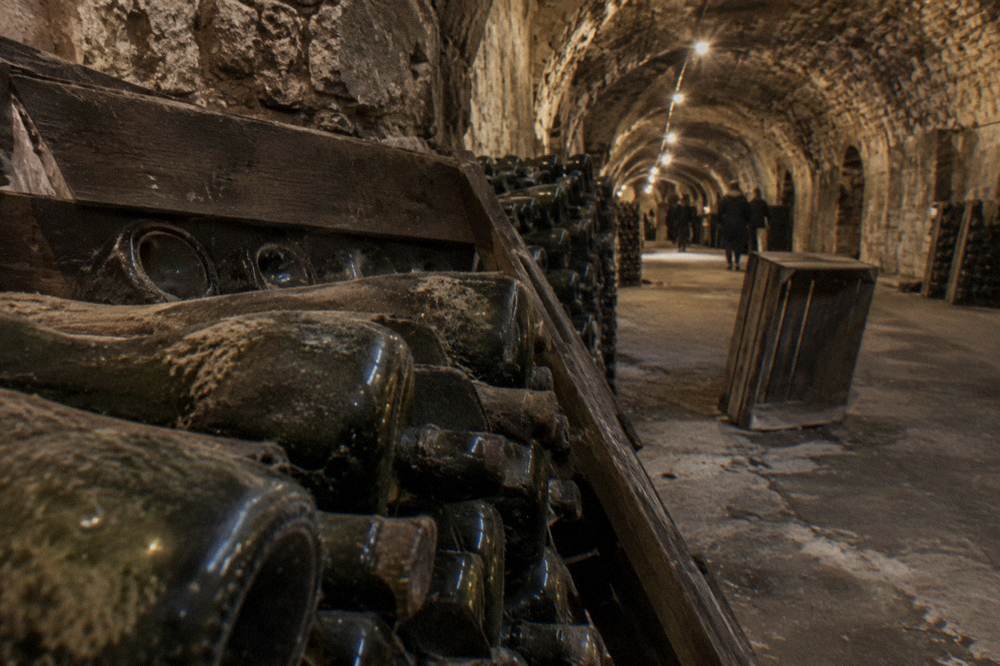
The Saint-Nicaise hill cellars are the hidden half of the city. Taittinger runs its visits eighteen metres underground, through galleries and Gallo-Roman chalk quarries listed as UNESCO World Heritage. Pommery keeps its cellars at 10 C all year, so a jumper is not optional advice, and the Moët cellars in Épernay run 28 km of tunnels with the same warning to bring warm clothing. Which houses a guided bus tour actually enters comes only from that tour's own stop list; the 8 Tastings & Lunch day trip from Paris names Mumm, Veuve Clicquot, Moët & Chandon, Mercier, Pommery, Lanson or Nicolas Feuillatte as possible major-house stops, varying by date, so the house line-up is worth confirming before booking if one name matters to you.
| House | City | What is confirmed | Visit price |
|---|---|---|---|
| Veuve Clicquot | Reims | Cellars run through UNESCO-listed crayères | 36 EUR Brut Yellow Label tour |
| Taittinger | Reims | Eighteen metres underground, UNESCO-listed galleries | On the house's booking page |
| Pommery | Reims | Cellars at 10 C all year | On the house's booking page |
| G.H. Mumm | Reims | Named as a stop on several guided day trips | On the house's booking page |
| Moët & Chandon | Épernay | 28 km underground network, cool cellars | 48 EUR and 65 EUR Signature visits |
House opening hours and booking rules vary by season and by house, and no blanket rule covers them, so the safe move is to check each house's own booking page before committing to a date. The full house-by-house picture, including which guided tours enter which cellars, is in Reims Champagne Houses and in the dedicated pages for Pommery, Taittinger and Mumm.
Is Visiting Veuve Clicquot Worth It?
For most champagne-interested visitors, yes. The 36 EUR Brut Yellow Label visit pairs a cellar walk through the UNESCO-listed crayères with a guided tasting, and the house's own site allows direct booking. The catch is scheduling: the Reims cellars follow a seasonal calendar and opening days shift through the year, so check the house's booking page before you commit, so dates must be checked on the house's booking page.
Veuve Clicquot is the house most often named by first-time visitors, partly for the label's fame and partly because the cellars sit a short walk or ride from the cathedral. The entry-level visit costs 36 EUR for the Brut Yellow Label tour with a tasting; costlier tiers for comparative and vintage tastings appear on the same page. The cellars themselves are the draw: the tour passes through chalk crayères that form part of the 2015 UNESCO inscription, the same underground network that gives Reims its claim to being a city built twice, once above ground and once below.
The value judgement is really about time. A traveller with one day in Reims who books the cathedral, one house cellar and a grower tasting near Hautvillers has a full, varied day at a lower total cost than stacking two grandes maisons. A traveller with two days can add Veuve Clicquot comfortably. The deeper comparison of the house against its Épernay rival is worked through in which is nicer, Veuve or Moët, and the standalone question of whether the visit justifies its price gets its own treatment in is the Veuve Clicquot tour worth it.
Is Champagne Worth Visiting?
Yes, and not only for drinkers. The Champagne region holds a UNESCO World Heritage inscription from 2015 covering 1,101.72 hectares of hillsides, houses and cellars, 34,200 hectares of vineyards across 319 villages, and villages like Hautvillers that are destinations in their own right. The wine is the reason most people come; the landscape and the history are what they remember.
The appellation, by the Comité Champagne's own figures, spans 34,200 hectares and 319 villages, worked by 16,460 growers and shipped by 410 houses to the tune of 266.1 million bottles in 2025. Those numbers translate on the ground into a compact, drivable region: the Montagne de Reims vineyards, the historic slopes above Hautvillers and Aÿ, and the Avenue de Champagne in Épernay, where the grandes maisons sit shoulder to shoulder behind iron gates. The UNESCO property, inscribed in 2015, covers 1,101.72 hectares across those three component areas, and the full story is told in Champagne UNESCO Hillsides, Houses and Cellars.

For non-drinkers and mixed groups, the region still delivers. Hautvillers, the village where Dom Pérignon worked at the abbey, is a hilltop streetscape of wrought-iron signs and viewpoints; note that the abbey itself is closed to visitors as private Moët property, though the adjacent church is accessible. The vineyard year has its own theatre, from pruning through winter to a harvest that in 2026 began on the earliest dates ever recorded in Champagne, with first picking from 6 August and the harvest widespread from 17 August, about fourteen days earlier than 2025. How that calendar shapes a visit is covered in Best Time to Visit Champagne.
What Else Is There To Do In Reims Beyond Champagne?
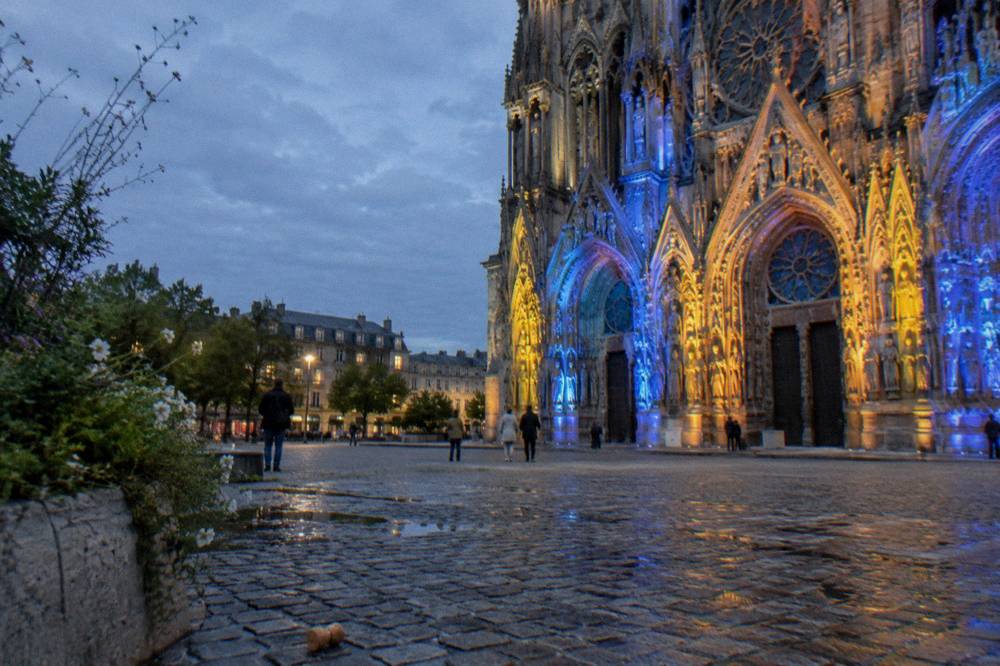
Plenty. Reims carries the Saint-Remi Abbey basilica, a second UNESCO listing from 1991, the Museum of the Surrender in the building where Germany signed the 7 May 1945 surrender, a fine arts museum in a former abbey, and a winter calendar that includes an independent winemakers' salon, a Christmas market and the Regalia illuminations on the cathedral.
The Museum of the Surrender, the room where the Second World War in Europe formally ended, is open daily except Tuesdays from 10:00 to 18:00 and is one of the most affecting small museums in France. Between the two, the restored city centre mixes half-timbered houses, art deco rebuilds and the Carnegie library, itself decorated with celebrated murals.
| Reims event | 2026 dates |
|---|---|
| Salon des Vins des Vignerons Indépendants, Parc des Expositions | 6 to 9 November |
| Christmas market | 25 November to 27 December |
| Regalia sound and light show, cathedral façade | 27 November to 2 January |
Winter visitors get the best of the calendar. The independent winemakers' salon in early November brings hundreds of small producers to the Parc des Expositions for four days, a rare chance to taste grower champagnes side by side without driving anywhere. From late November the Christmas market fills the centre, and the Regalia illuminations project onto the cathedral façade each evening into early January. None of these needs a ticket decision made months ahead, but accommodation in the centre tightens around them.
How Easy Is It To Get From Paris To Reims?
Very. Direct TGV trains from Paris Est reach Reims in about 45 minutes, a city-to-wine-region rail link as fast as 46 minutes, and fares and times are best checked on SNCF Connect. Drivers should budget roughly an hour and a half each way, the figure the Pommery visitor page itself gives for the road journey.
The train is the reason a Reims day trip competes with Versailles for ease. Departures run from Paris Est, and the official route page at SNCF Connect carries current times and fares; no timetable figure beyond the 45-minute journey time should be treated as fixed, so check the site for your date. Reims has two stations: the central one, a short walk from the cathedral, and Champagne-Ardenne on the TGV line outside the city, so the booking screen deserves a second look before committing.
Independent travellers based in Reims can also skip Paris entirely for part of the trip. Half-day and full-day tours depart from Reims itself, and those prices exclude the rail fare from Paris: a morning tour visiting two family producers runs from $134.00 per person, 4 hours, small group of at most 8, rated 4.79 across 565 reviews, and a family-wineries half day with pickup runs from $146.00 per person, rated 4.78 across 879 reviews. These are a different product from a Paris departure, never to be compared like for like on price, but for anyone spending a night in Reims they cut the cost of a second guided day sharply. The comparison is laid out in Champagne Tour From Reims. Still deciding whether the region justifies a full day away from Paris? This guide to Champagne as a day trip weighs what you actually see against what it costs.
How Much Should A Reims Visit Cost?
A one-hour Reims tasting starts from $50; a two-hour walk with tasting from $19 per person, half-day tours from Reims run $134.00 to $148.24 per person, full days $273.68 to $286.00, and full champagne day trips from Paris span from $202.00 to $432.18 per person in shared and small-group formats. Private days from Paris begin at from $555.00 per person. House cellar visits booked directly add 36 EUR at Veuve Clicquot or 48 EUR at Moët & Chandon.
Prices here run from $19 to $1,504.61, and the tours behind those numbers are genuinely different products. The $19.00 figure buys a seated tasting, not a day out: the Reims City Center Champagne Tasting is exactly that, one hour, from $50.00 per person for the tasting room option, while the $19.00 entry point sits with the Epernay cellar visit on the tasting side of the lineup. The city discovery walk with a tasting, from $19.00 per person, rated 4.33 across 203 reviews, is a light and cheap way to orient in the centre, though that rating sits below the 4.5 line and should be weighed rather than assumed.
| Product type | Price basis | Example |
|---|---|---|
| Short tasting, Reims or Epernay | from $19.00 to $56.00 per person | Reims tasting, 1 hour |
| Half or full day from Reims | from $134.00 to $286.00 per person | Morning Tour, Two Producers, 4 hours |
| Day trip from Paris, shared or small group | from $202.00 to $432.18 per person | 6 Tastings, No Lunch, from $262.28 |
| Private day from Paris | from $555.00 per person | Veuve Clicquot Focus, 9 hours |
| Luxury and lunch day from Paris | from $826.74 to $1,197.35 per person | Michelin Lunch, 8 Tastings |
A private price shown per person is the rate for the smallest booking, not a total for the vehicle, and the only per-group figure in this range is the Moët and Veuve museum-stop day at $1,504.61 per group for up to 2. What each price includes comes from each tour's own inclusions: hotel pickup and lunch appear as listed items on some Paris departures and are simply absent from others, so the cheaper fare is not always the cheaper day once a lunch and a station transfer are bought separately. The full costing picture, including what independent travel adds up to, is in How Much Does a Champagne Tour Cost.
What Is The Best Way To Spend One Day In Reims?
Book one morning cellar visit, walk the cathedral at midday, and spend the afternoon either on a second tasting or in the Museum of the Surrender. Independent visitors can do this on the train; visitors who want the driving handled should book one Paris day trip that pairs Reims Cathedral with cellar stops, from $202.00 to $432.18 per person. Do not try to add Épernay's Avenue de Champagne without a vehicle or a tour.
The one-day template works because Reims is compact. A 36 EUR Veuve Clicquot morning visit or a Taittinger cellar tour opens the day underground; the cathedral is free and ten minutes from the centre; lunch near Place Drouet-d'Erlon needs no booking in most weeks; and the afternoon splits between a second house, a grower tasting, or the surrender museum before the train home. Weather barely matters for the morning, since the cellars hold at cellar temperature regardless, but a rain day argues for more time in the museums and less on the streets.
Visitors who want the Épernay half of the region folded in, with the Avenue de Champagne and the Hautvillers abbey village, should let a tour do the driving: the distance between the two towns is real and the parking near the Avenue is not generous. A practical first browse of every guided option, from the $19.00 city tasting to the full private days, is at Champagne Tours From Paris. For anyone still weighing the two towns against each other, the detailed split is in Champagne Tours Compared.
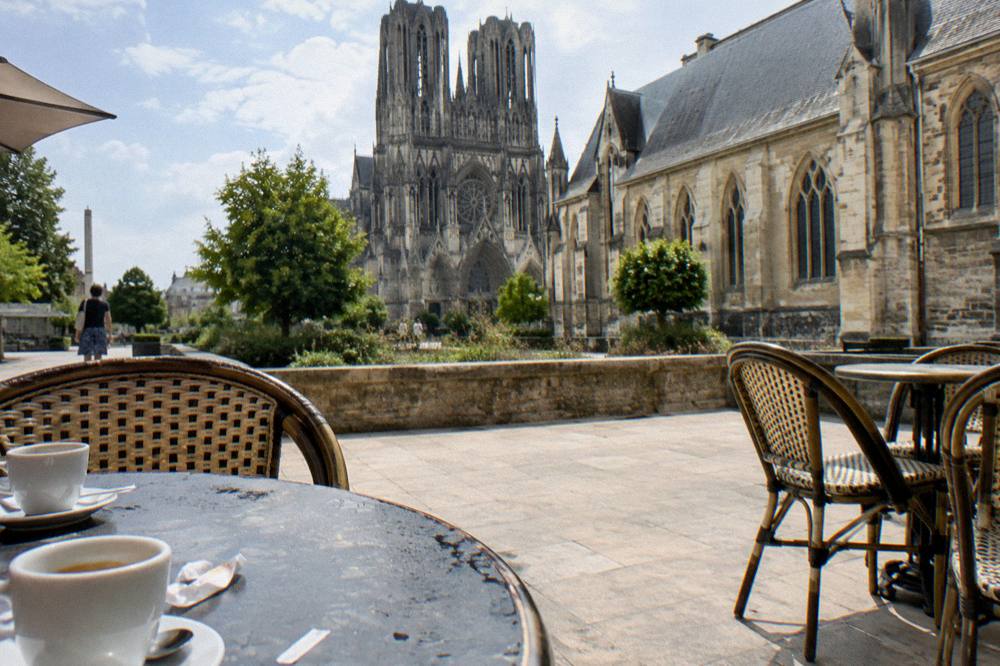
Reims answers its own question. A city that holds a coronation cathedral, UNESCO-listed chalk cellars four houses deep, a surrender-room museum and a 45-minute rail link from the capital does not need overselling; it needs a date picked and one cellar booked before the rest of the day fills up.
Common Questions About Visiting Reims
Is Reims Worth Visiting?
Yes. Reims combines a UNESCO-listed cathedral, four major champagne houses with cellar tours inside the city, and a TGV connection of about 45 minutes from Paris Est. It works as a day trip and rewards a weekend.
Is Reims In France Worth Visiting?
Yes, Reims is in the Grand Est region of northern France and is the historic coronation city of the French kings. Its cathedral, chalk cellars and museums make it one of the strongest city breaks in the Champagne region.
Is Champagne Worth Visiting?
Yes. The region holds a UNESCO World Heritage inscription from 2015 covering its hillsides, houses and cellars, with 34,200 hectares of vineyards across 319 villages and attractions from the Avenue de Champagne to the village of Hautvillers.
Is Visiting Veuve Clicquot Worth It?
For most visitors, yes. The 36 EUR Brut Yellow Label visit includes a cellar walk through the UNESCO-listed crayères and a tasting, booked through the house's own page. Check the seasonal opening calendar before planning around it.
Is Reims Worth A Day Trip From Paris?
Yes. The TGV from Paris Est takes about 45 minutes, and guided day trips from Paris run 10 to 13 hours from $202.00 to $432.18 per person, pairing Reims Cathedral with cellar tastings and often Épernay.