Can You Walk Between Champagne Houses In Epernay?
Yes, you can walk between champagne houses in Epernay: the Avenue de Champagne concentrates the big houses on one street, though booking ahead and cellar-tour timing shape the day.
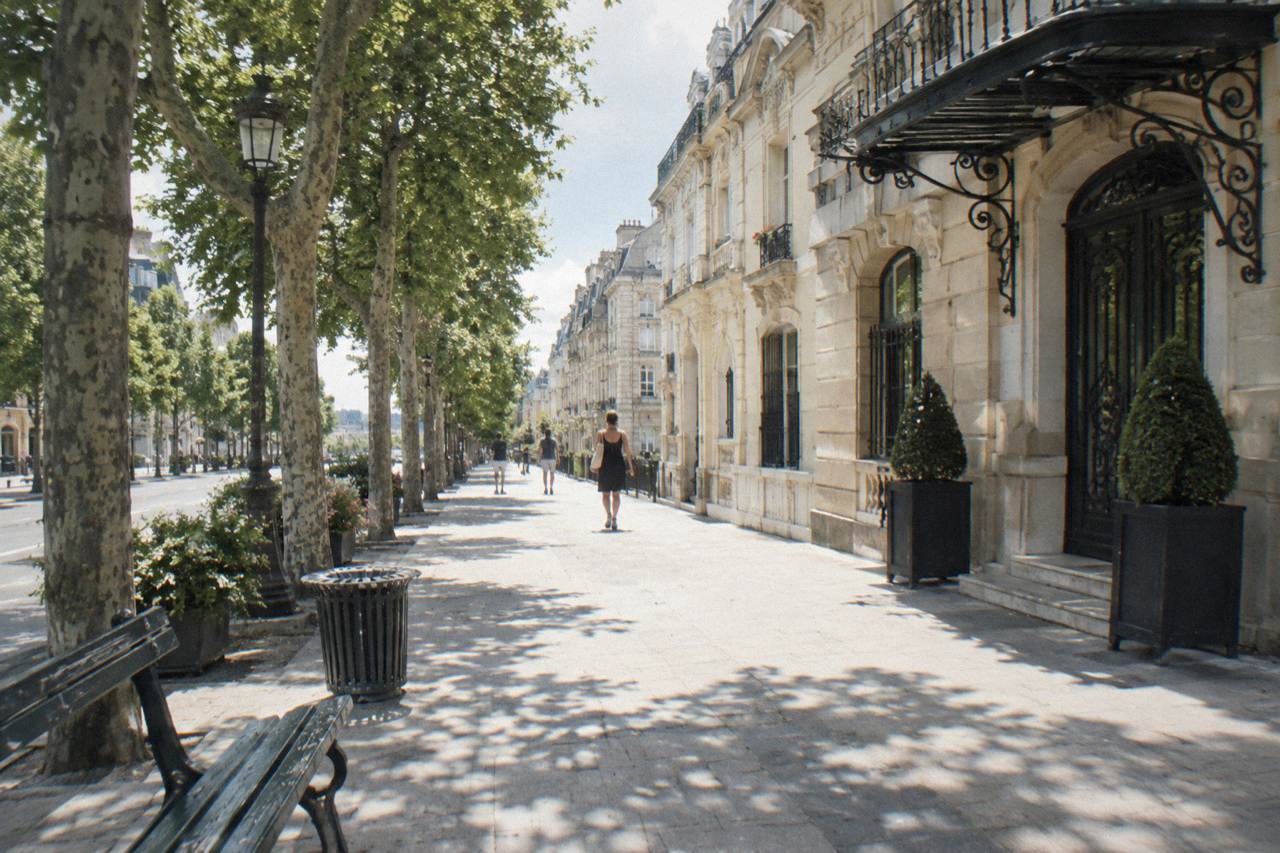
Yes, and Epernay is arguably the easiest champagne town in France to do it in. The Avenue de Champagne concentrates the famous houses along one grand, tree-lined street, so you can move between cellar visits on foot without a car. The catch is not distance but scheduling: visits run on fixed departure times, places are limited, and several of the most famous names sit in Reims, a short drive north.
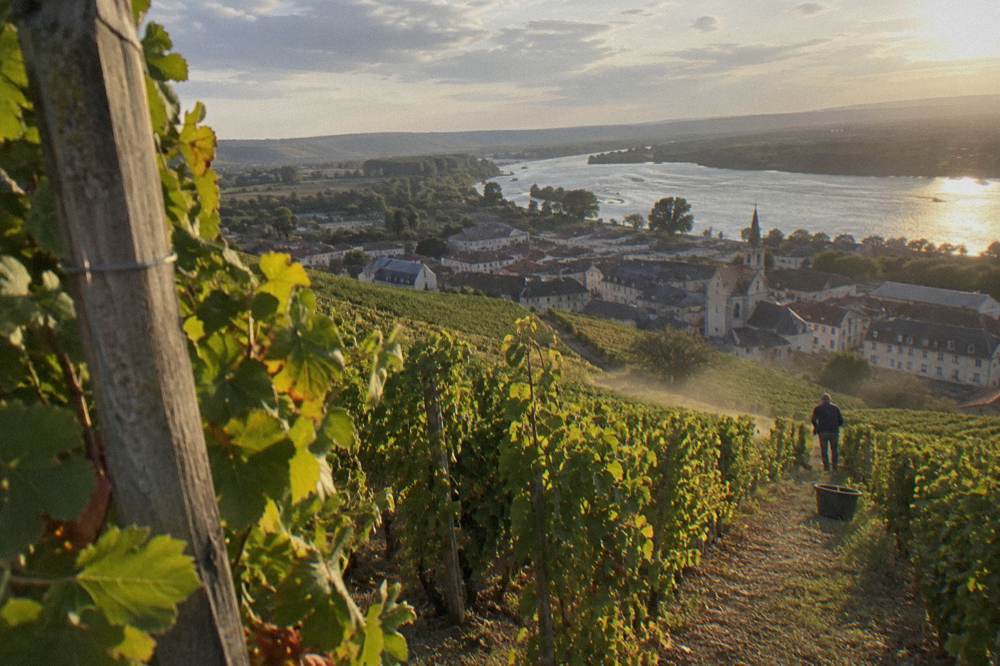
Epernay calls itself the capital of champagne, and the layout backs the claim. The town's flagship addresses face each other along the Avenue de Champagne, a straight boulevard where the great houses dug their cellars directly beneath their mansions. UNESCO recognized exactly this when it inscribed the Champagne Hillsides, Houses and Cellars on the World Heritage List in 2015, naming the Avenue de Champagne and Fort Chabrol in Epernay as one of the three core components of the property, alongside the historic vineyards of Hautvillers, Aÿ and Mareuil-sur-Aÿ and Saint-Nicaise Hill in Reims.
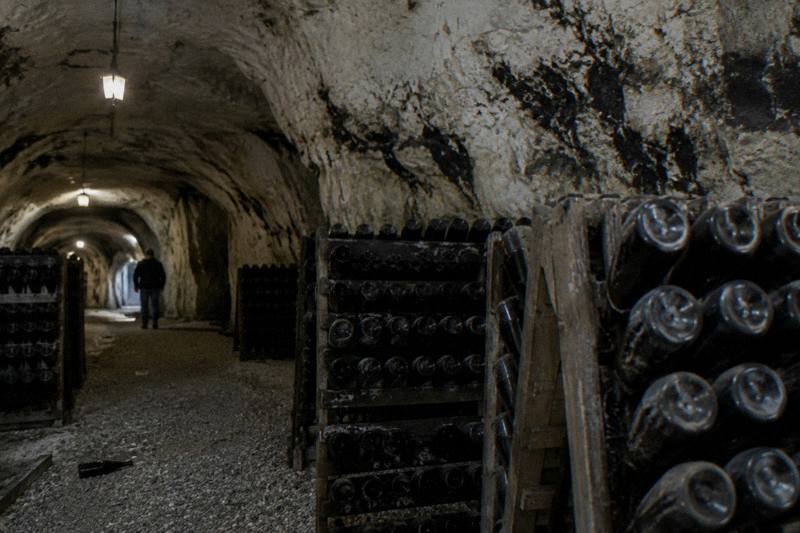
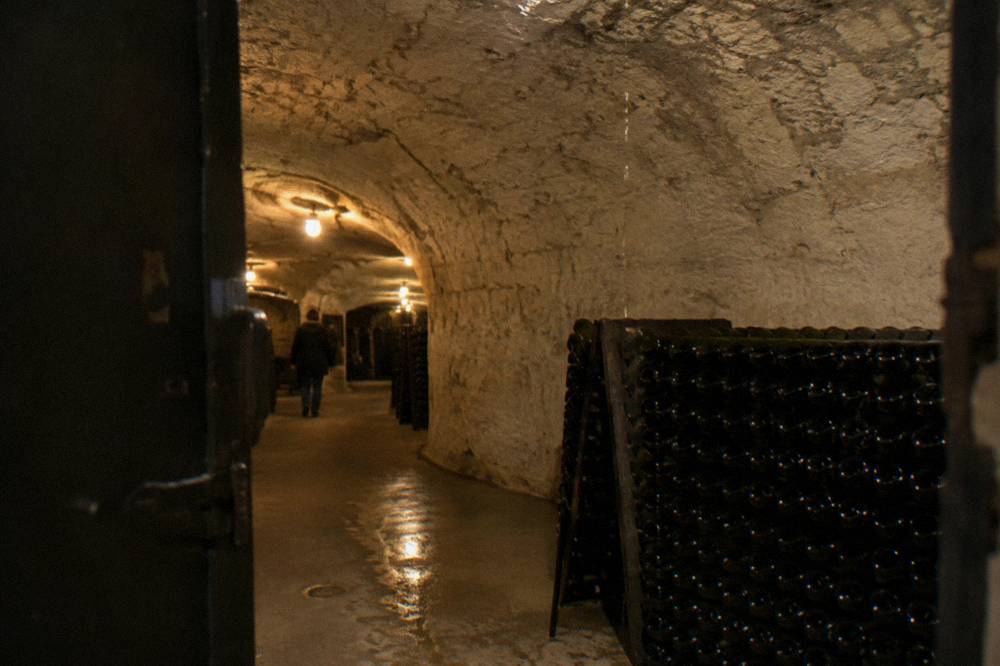
That geography is what makes a walking day realistic here in a way it is not in most wine regions. You are not hailing taxis between scattered villages. You are strolling a few minutes from one front door to the next, with the cellars underneath you the whole time. Moët & Chandon's chalk network alone runs 28 km under the town, and the house's own visitor guidance tells guests to bring warm clothing because the cellars stay cool regardless of the season.
The honest qualification is that "walk between the champagne houses" means different things in Epernay and Reims, and many visitors blur the two. Epernay's walkable cluster is compact and famous. But houses such as Veuve Clicquot, Taittinger and Pommery are Reims houses, not Epernay ones, and the two towns are separate bases. If your heart is set on a specific label, first check which town it belongs to, then plan the walking day around the town that actually holds it.
For travelers coming up from the capital without a car, a guided day removes the scheduling puzzle entirely. One option that pairs naturally with a walking day is a sommelier-led small-group day from Paris, which links Hautvillers, the Pressoria museum, the Avenue de Champagne, Moët et Chandon and Champagne Charles Mignon into a single itinerary with hotel pickup included. It is worth reading the deeper comparison in the full Epernay champagne tour guide before deciding.
Which Champagne Houses Can You Actually Walk To?
On the Avenue de Champagne itself you can walk to Moët & Chandon, Champagne Charles Mignon, and the smaller houses and tasting rooms dotted along the same street, plus the Pressoria champagne museum in nearby Aÿ. The big Reims houses, Veuve Clicquot, Taittinger and Pommery, are not reachable on foot from Epernay. Some listings name a possible stop that varies by date, so check where each visit is anchored before booking.
The Avenue de Champagne works as a walking corridor because the houses built their headquarters there deliberately, close to the railway and the river, with cellars carved into the chalk below. When a guided tour from Paris lists its Epernay stops, the pattern is consistent: the avenue, Moët et Chandon, and often a family estate or a museum stop such as Pressoria. The sommelier-led day mentioned above is a good example, pairing Moët with the smaller house Charles Mignon and the Pressoria museum on the same route.
Pressoria deserves a special mention for independent walkers. The sensory museum in Aÿ, a short hop from Epernay, operates daily except Thursdays and moves to winter hours of 10:00 to 18:00 from 1 November, with adult entry at €18 including a tasting. That makes it one of the few champagne experiences in the area you can build a walking-and-transit day around without a tour van, and it explains why it appears as a stop on guided itineraries too.
The split between the two towns matters more than most first-time visitors expect. Reims holds the cathedral and the houses clustered under Saint-Nicaise Hill, whose crayères, the Gallo-Roman chalk quarries, are part of the UNESCO inscription. Taittinger's cellars sit eighteen metres underground in galleries and quarries listed as UNESCO World Heritage, and Pommery keeps its cellars at 10°C all year. None of that is in Epernay. A walker in Epernay who expected to drop in on Veuve Clicquot will be disappointed; that house's crayères are under Reims.
Beyond the famous names, the avenue also holds négociant houses and smaller tasting salons that do not appear on every guided itinerary, and these are often the friendliest stops for a walker with an unplanned hour. Tasting fees vary by house, so check each booking page rather than assuming a standard rate. A mix of one grand house and one small address is a common formula among repeat visitors, since the contrast between a 28 km industrial cellar network and a family tasting room is a large part of what the region is about.
Here is how the two towns divide the famous names:
| House or site | Town | Walking notes |
|---|---|---|
| Moët & Chandon | Epernay | On the Avenue de Champagne; visit tiers at 48 EUR and 65 EUR Signature, each about 1 hr 30 min |
| Champagne Charles Mignon | Epernay | On the avenue; appears as a stop on guided sommelier days |
| Pressoria museum | Aÿ, near Epernay | Daily except Thursdays; winter hours 10:00 to 18:00 from 1 November; €18 adult entry including tasting |
| Veuve Clicquot | Reims | Not walkable from Epernay; Brut Yellow Label visit at 36 EUR |
| Taittinger | Reims | Not walkable from Epernay; cellars in UNESCO-listed quarries |
| Pommery | Reims | Not walkable from Epernay; cellars held at 10°C all year |
If your plan is specifically a walking day, Epernay is the base. If your plan is cathedral plus cellars, Reims is the base. And if you want both towns plus the vineyard villages in one day, that is what guided minivan days exist for. A fuller breakdown of the trade-off sits in the Reims or Epernay comparison guide.
Do You Need To Book Champagne Houses In Epernay?
Yes, booking ahead is the norm for the major houses, and it is the single biggest constraint on a walking day. Moët & Chandon states that places on its guided visits are limited and recommends advance online booking; walk-ins are possible but not assured. Visit tiers run 48 EUR for the entry tour and 65 EUR for the Signature tour, each about an hour and a half, so two houses in one day means committing to fixed start times.
This is the part of the "can you just walk between them" question that surprises people. The walking is easy. The logistics are not. Each cellar visit is a timed, guided event with a limited headcount, because the cellars are long, dark and partly heritage-listed, and the houses run them on schedules rather than as open-door attractions. A day built from two or three separate bookings needs the start times to line up with a comfortable gap for the stroll and possibly lunch in between.
The booking reality also shapes what a self-guided day costs compared with a guided one. Add up the Moët tier, a museum entry and lunch, and the independent day is not automatically cheaper than a group tour that bundles transport and several stops. The cost picture is laid out in detail in how much a champagne tour costs, but the short version is that from-Paris small-group days start around $257.00 per person for a rated listing, while the cheapest Reims or Epernay based day with visits runs from $134.00 per person, excluding the train from Paris.
For a taste of the walk-in end of the spectrum, Epernay also has genuine short options. A guided cellar visit with tastings in Epernay runs just one hour, from $19.00 per person, is capped at twelve people, and is rated 4.66 across 605 reviews. Slots at that price and length suit walkers well, fitting easily into a day spent on foot building their own afternoon on the avenue.
Booking discipline matters most in the months when the region fills up. Summer and the pre-Christmas weeks bring both tour groups and independent visitors to the avenue, and the harvest season from mid-August can add activity in the vineyards, though the houses themselves do not follow a single closure pattern; the safe rule is to check each house's own booking page. The 2026 harvest was the earliest ever recorded in Champagne, with first picking from 6 August and the harvest widespread from 17 August, about 14 days earlier than 2025, a reminder that August dates can be livelier than the classic September image suggests.
What Does A Walking Day On The Avenue Look Like?
A realistic self-guided day strings together two, at most three, timed visits on or near the Avenue de Champagne, with walks of a few minutes between them and a lunch break on the avenue itself. The street is flat, urban and shaded, so the walking is trivial; the design challenge is spacing the long cellar tours so you are not sprinting between front doors. Weather matters mainly for comfort.
Start with the geometry. The avenue is a single straight boulevard, and the walkable sites sit on or just off it, so there is no route-finding to speak of. The Musée du vin de Champagne et d'Archéologie régionale, on the avenue itself, switches to winter hours on 1 November, open Wednesday to Friday 13:30 to 18:00 and weekends 10:00 to 18:00, closed Monday and Tuesday, at €10 full price. That kind of mid-afternoon slot is exactly what fills the gap between two morning cellar tours.
Then think about pacing. A Moët visit at 48 EUR runs about an hour and a half, and the same duration applies to the 65 EUR Signature tier, which adds Grand Vintage Blanc to the tasting. Two of those back to back, plus a museum hour and lunch, is a full day, and it is a good day, but it is not three houses plus a leisurely lunch. Walkers who try to overbook end up skipping tastings, which defeats the purpose of coming at all.
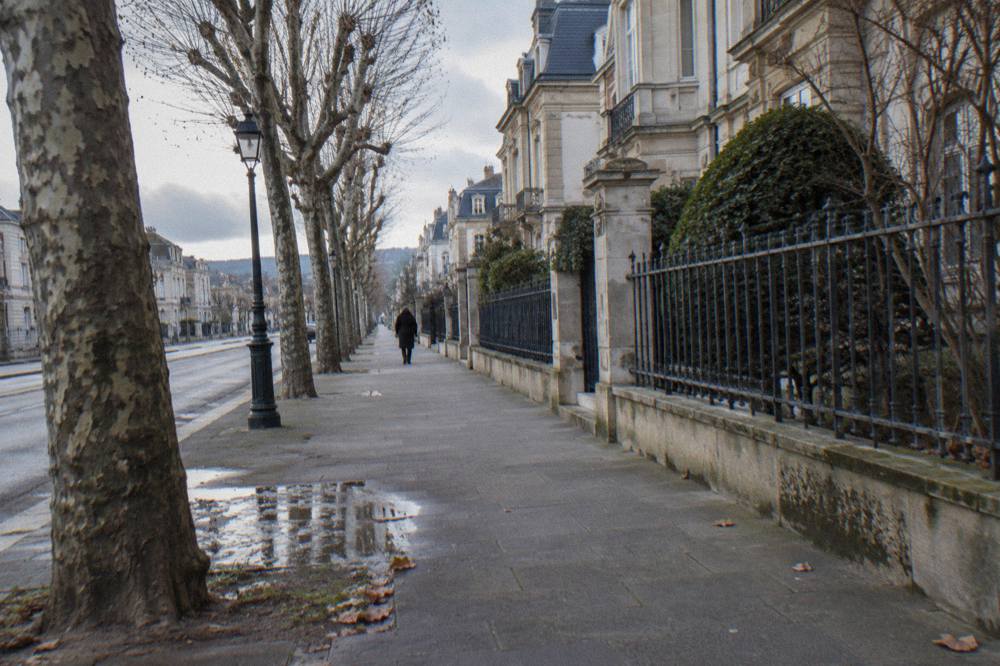
Weather planning is simple and worth doing. Reims-Courcy climate averages, the nearest official series, show July and August with average daily highs of 24.7°C and 24.3°C, and roughly eight days of rain of 1 mm or more per month, while January averages 5.7°C over 0.1°C with about ten wet days. Epernay shares the continental pattern: pleasant summers, damp grey winters, and roughly 114 rainy days across the year in the official series. Layer for the cellars regardless of the month, since the underground stays cool when the avenue is hot and the surface is chilly when the cellars feel temperate.
Finally, tie the walking day to how you arrived. The train from Paris reaches Reims in about 45 minutes from Paris Est, and Epernay is a further connection; fares and times are best checked on SNCF Connect, which handles live schedules and booking for both legs. Travelers who would rather not stitch together trains, TER connections and timed bookings can instead let a driver-guide handle the sequence, which is exactly the niche the sommelier day fills: it walks you down the avenue, so to speak, without you holding the timetable.
When Does A Guided Day Beat Walking It Yourself?
A guided day wins when you want vineyards and villages as well as the avenue, when you are starting from Paris, or when you want the most tastings possible without personal booking admin. Walking wins when you want to linger in two or three houses, set your own lunch pace, and spend the least per stop. The decider is how much of the wider region you want in one day.
The numbers make the contrast concrete. The sommelier-led day from Paris runs 12 hours from $291.00 per person, limited to seven guests, rated 4.94 across 143 reviews, with hotel pickup listed and stops at Hautvillers, Pressoria, the Avenue de Champagne, Epernay, Moët et Chandon and Charles Mignon. A walker booking the Moët tier and Pressoria independently covers a fraction of that ground at a lower cash outlay but with none of the vineyard stops.
Departure city matters here, and the two must not be compared as equals. The sommelier day departs Paris. The three-grower full day that pairs well with an Epernay stay departs Reims: from $273.68 per person, capped at eight, rated 5.0 across 262 reviews, with lunch included and stops on the Avenue de Champagne and at the Abbaye Saint-Pierre d'Hautvillers. Similar price, very different product, because one includes the journey from Paris and the other assumes you are already in the region.
| Option | Departs | Price basis | Duration | Reviews | What it covers |
|---|---|---|---|---|---|
| Sommelier cellars and tastings day | Paris | From $291.00 per person | 12 hours | 4.94 across 143 | Hautvillers, Pressoria, Avenue de Champagne, Moët et Chandon, Charles Mignon |
| Epernay cellar visit with tastings | Epernay | From $19.00 per person | 1 hour | 4.66 across 605 | A Vollereaux cellar visit in Pierry, tastings included |
| Full-day three-grower tour | Reims | From $273.68 per person | 8 hours | 5.0 across 262 | Three small growers, lunch, Avenue de Champagne, Hautvillers abbey exterior |
There is also a middle path that many walkers enjoy: use a short booking to anchor the day, then fill the gaps on foot. The one-hour Epernay cellar visit at $19.00 is ideal for this, and for a splurge finish, a vintage-car tasting tour from Epernay, from $56.00 per person and rated 4.94 across 227 reviews, takes in vineyard viewpoints and a village tasting near town in two hours. Both are Epernay departures, so they slot neatly around a walk on the avenue.
One caution for the ambitious: do not plan to walk from Epernay to the vineyard villages. Hautvillers, the home of Dom Pérignon's abbey, is a village in the hills above the Marne, and its abbey itself is closed to visitors as private Moët property, though the adjacent church is accessible. Getting there on foot from Epernay is a serious hike along roads not built for it. Those villages are what the guided minivan days, and the region's e-bike tours, are for.
Common Questions About Walking Between Champagne Houses In Epernay
Can You Walk Between Champagne Houses In Epernay?
Yes. The Avenue de Champagne puts the main Epernay houses on one walkable street, and the Pressoria museum in Aÿ sits a short hop away. Plan around fixed visit start times rather than distances, and book the big houses ahead.
Can You Walk Between Champagne Houses In Reims?
Partly. Reims houses such as Veuve Clicquot, Taittinger and Pommery are spread across the city rather than lined up on one street, so walking between some is possible but you will want transit or a tour for a full circuit, and each visit needs a timed booking.
Can You Walk To Champagne Houses In Epernay?
Yes. Moët & Chandon and Charles Mignon are on the Avenue de Champagne itself, and the avenue is flat and pedestrian friendly. The famous Reims houses are not reachable on foot from Epernay.
Can You Walk To Champagne Houses In Reims?
Some of them. Several Reims houses lie within walking range of the city centre and each other, but the city is larger than Epernay and the distances between houses are longer, so a mix of walking and short rides is the usual pattern.
Do You Need To Book Champagne Houses In Epernay?
Yes for the major houses. Moët & Chandon states that places are limited and recommends booking online in advance; walk-ins may be possible but are not assured. Short tasting experiences in town also sell out in busy months.
The underlying appeal of the question is the fantasy of an afternoon spent drifting between cellar doors, glass in hand, and Epernay is the closest the champagne region comes to delivering it. The street does the work; the bookings set the tempo. Pick your two or three anchors, reserve them, dress for chalk-cellar cool, and let the avenue handle the rest. Reims, Épernay, and mixed-region itineraries appear together on Champagne Tours From Paris.