Which Is Nicer, Veuve Or Moet?
Veuve Clicquot or Moet & Chandon: which champagne house is nicer to visit from Paris, comparing cellars, prices, tours and day trips that cover both.
Neither house is objectively nicer, and the honest answer splits on setting: Veuve Clicquot offers the more dramatic underground experience, a 36 EUR entry tasting and chalk crayères on the UNESCO list, while Moet & Chandon offers the grander above-ground theatre on the Avenue de Champagne, a 28 km cellar network and entry visits at 48 EUR and 65 EUR. Travellers who want atmosphere underground lean Veuve; travellers who want scale and spectacle lean Moet.
That split is worth unpacking, because the two houses are not neighbours. Veuve Clicquot pours in Reims, under Saint-Nicaise Hill, where the cellars are carved into Gallo-Roman chalk quarries. Moet & Chandon sits in Epernay, at the head of the Avenue de Champagne, the street of merchants' mansions that UNESCO inscribed in 2015 as part of the Champagne Hillsides, Houses and Cellars property. Visiting both in one day is possible, but it takes a full day and a driver, which is exactly why the question of which is nicer matters so much for anyone planning a single trip from Paris. The two towns sit far enough apart that a casual visitor cannot stroll between them, so the choice of house effectively becomes a choice of town, and of the whole shape of the day around it. Whichever house you pick, you will have to say its name at the gate, so our plain guide to saying Veuve Clicquot out loud covers the sounds, what the name means, and what a Reims cellar visit involves.
The two houses also anchor two different styles of day trip. A Reims-centred trip pairs Veuve Clicquot with the cathedral where French kings were crowned, an easy walk from the cellars. An Epernay-centred trip pairs Moet & Chandon with family growers in the surrounding villages and the vineyards of Hautvillers, the hilltop village where the monk Dom Pierre Perignon worked and which now gives several tours their most photogenic stop. Neither itinerary is wrong; they reward different travellers. The practical difference is geography: Veuve Clicquot's cellars are in Reims while Moët & Chandon sits on the Avenue de Champagne in Epernay, so private tours pairing both houses run 10 to 13 hours.
For those who refuse to choose, a small set of private tours covers both houses in a single departure. The three below are the clearest ways to do it.
What Each House Charges For A Visit
A direct visit costs 36 EUR at Veuve Clicquot for the Brut Yellow Label tour and tasting, and 48 EUR or 65 EUR at Moet & Chandon for its entry and Signature visits; the Signature visit runs about an hour and a half. Those are the only house-published figures for either property, and both come from the houses' own booking pages. Everything else depends on the tour you attach to the visit.
The gap between the houses on direct entry is real but small, roughly the cost of a glass of champagne in Paris. What differs more is what the money buys. Veuve's 36 EUR tier, called "Brut Yellow Label, the birth of a style", is a one-hour cellar tour and tasting that walks through the UNESCO-listed crayères. Moet's cellar visits each run an hour and a half with a tasting included, the entry option at 48 EUR and the pricier visit at 65 EUR, both inside the house's 28 km underground network. Moet's own page advises booking ahead because places are limited, and says the cellars stay cool, so warm clothing is smart either way; more on that below. If you're fitting the visit into a day in Épernay, our breakdown of how long the Moët & Chandon tour takes helps you plan the rest of your afternoon.
Most visitors from Paris, though, never buy a house ticket directly. They buy a day trip that folds the cellar visit into a package with transport, a guide and usually a second stop, and the package economics look quite different from the door prices. A tour that includes hotel pickup, a driver for the full day and multiple tastings can make the house's own entry fee look like a rounding error in the budget. The table below shows the spread on tours that name one or both houses as stops.
| Tour (decision name) | Houses on the itinerary | From price | Duration | Rating |
|---|---|---|---|---|
| Private Moet and Veuve, Base Fare | Moet & Chandon, Veuve Clicquot | from $712.71 per person | 12 hours | 4.5 across 23 reviews |
| Grand Vintage Route | Moet & Chandon, Veuve Clicquot | from $790.00 per person | 12h 30m | 4.83 across 43 reviews |
| Three Houses, 13 Hours | Moet & Chandon, Veuve Clicquot, Pommery | from $812.00 per person | 13 hours | 4.42 across 24 reviews |
| Veuve Clicquot Focus | Veuve Clicquot, Reims | from $555.00 per person | 9 hours | 11 reviews, no rating claim |
| Small Group, Cathedral Lunch Day | Reims Cathedral, Avenue de Champagne | from $391.00 per person | 11 hours | 4.76 across 344 reviews |
Two things jump out. First, Most tours naming both houses are private and priced per person for the smallest party; one, the Private Grand Vintage Champagne Tour, quotes per group of two. The featured shared day trip rotates its house visits by date, so it may call at Moët or Veuve Clicquot.. Second, the cheapest way to touch both houses in a day starts at $678.50 per person, while a small-group day that visits the Avenue de Champagne without a guaranteed Moet cellar tasting starts at $257.00 per person. Whether the named-house guarantee is worth several hundred dollars depends almost entirely on how much the cellar itself matters to you.
Prices move with seasons and demand, so treat every figure here as the operator's from price and check the live listing before booking.
The Veuve Clicquot Cellar In Reims
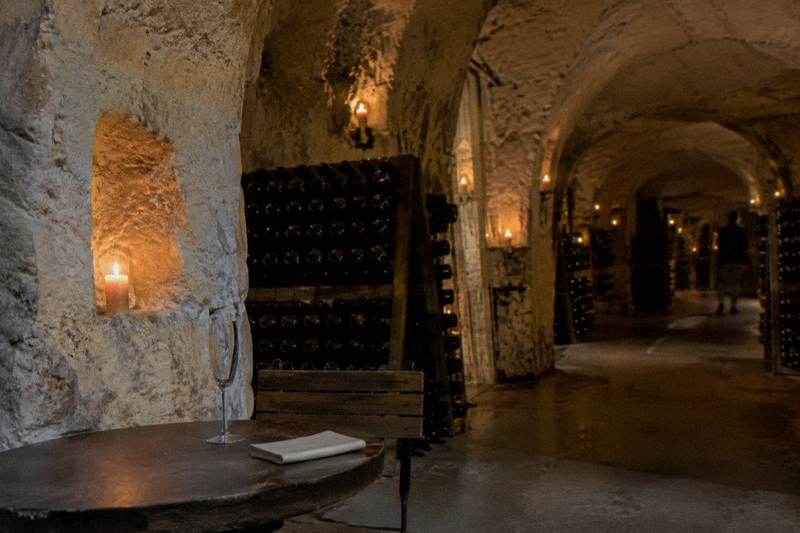
Veuve Clicquot is the stronger pick for the underground experience. Its tours pass through the crayères, the Gallo-Roman chalk quarries beneath Saint-Nicaise Hill that form part of the UNESCO World Heritage inscription, and the entry tasting sits at 36 EUR. The house does not publish opening dates in a way a planner can rely on, so check the house's booking page for the days that matter to you.
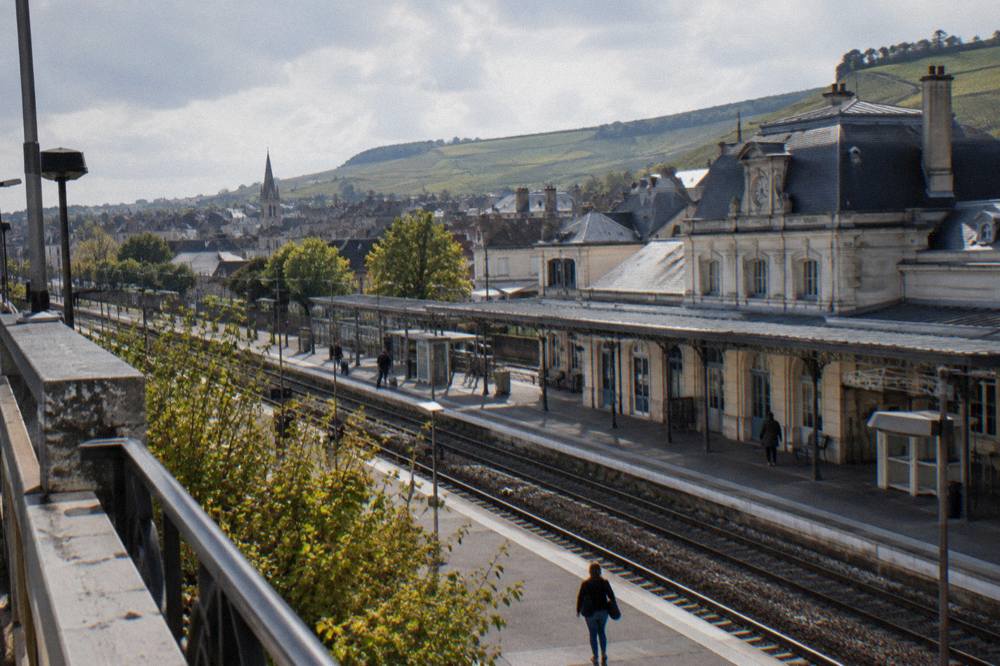
Reims is the practical case for Veuve. The TGV from Paris Est covers the distance in about 45 minutes, and SNCF Connect lists fares and times for the route. From the station, the cellars and the cathedral sit within reach of the city centre, which means a Veuve-centred day can add a UNESCO gothic monument without another long drive. The cathedral of Notre-Dame, together with the former Abbey of Saint-Remi and the Palace of Tau, has been on the World Heritage List since 1991, decades before the champagne hillsides joined it. One caveat for cathedral completists: the Palace of Tau itself is closed for renovation until 2027.
The story inside is part of the appeal. The house is named for Barbe-Nicole Clicquot Ponsardin, the widow who took over the family business in her twenties and built it into one of the appellation's 410 houses, in a region that today counts 16,460 growers across 34,200 hectares and 319 villages. Visitors who arrive knowing the Yellow Label usually leave knowing the riddling story, and the chalk around them makes the history easy to absorb. The guides at the house lean into that narrative too, which gives the visit a personality distinct from the more institutional feel of the largest houses.
The one date-sensitive fact worth flagging: Veuve's cellars run seasonal schedules that change through the year, and the house publishes those windows on its own booking page. If a Veuve visit is the point of the trip, confirm the days before locking in trains or hotels.
A private half-day built around Veuve Clicquot does exist. The guide linked below covers the house in full.
The full picture of the house and its town is covered in the Veuve Clicquot visitor guide, and the wider Reims champagne houses guide maps the neighbours.
The Moet & Chandon Experience In Epernay
Moet & Chandon is the stronger pick for scale. The house sits at the head of the Avenue de Champagne in Epernay, its cellars run 28 km underground, and its published visits cost 48 EUR and 65 EUR, each about an hour and a half. Where Veuve feels like descending into a quarry, Moet feels like walking into an institution.
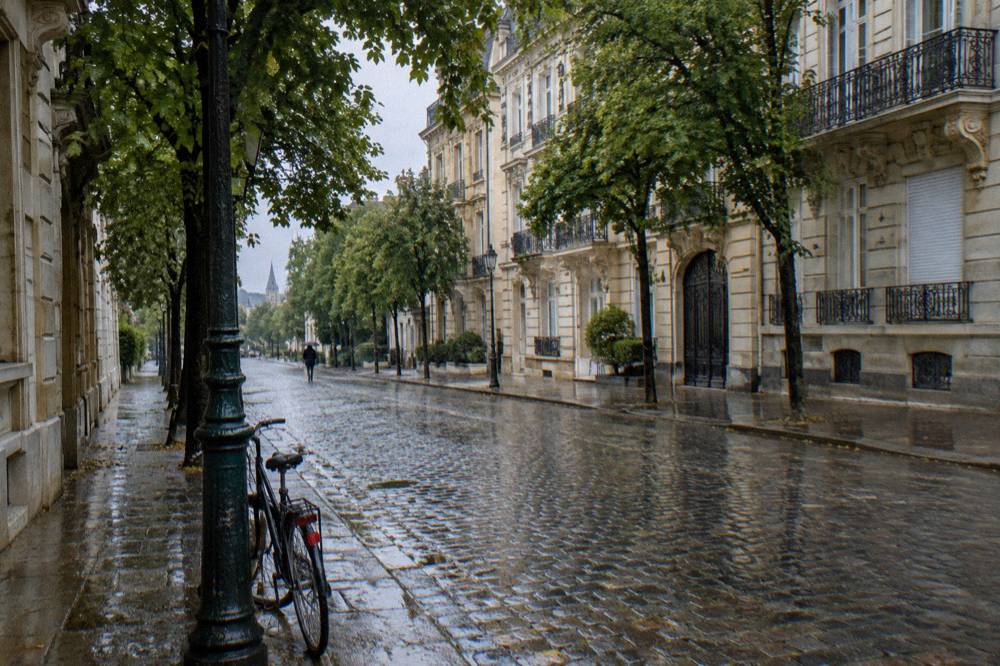
The Avenue de Champagne is the single most photographed street in the region, a line of merchant houses whose cellars run for kilometres beneath the pavement. UNESCO inscribed the avenue, along with the historic vineyards of Hautvillers, Ay and Mareuil-sur-Ay and Saint-Nicaise Hill in Reims, as one World Heritage property in 2015, and Moet's facade anchors it. The property covers 1,101.72 hectares, which sounds abstract until you realise most of it is underground or planted in vines.
Epernay rewards a slower pace than Reims. The town's Champagne Wine Route museum sits on the avenue itself, and the surrounding villages, Hautvillers above all, put small grower tastings within a short drive. Hautvillers Abbey itself is closed to visitors as private Moet property, but the village church is accessible and the vineyard views over the Marne valley are the reason half the tour itineraries in the region include it. A day built on Moet tends to mean fewer monuments and more wine, with tastings spread across a big house and a family estate rather than packed around a cathedral square.
The trade-off is logistics. Epernay is not on the fast TGV line the way Reims is, so a Moet-first day from Paris usually means a driver, and that pushes most travellers toward the small-group and private day trips rather than a train-and-walk plan. Several itineraries in the Moet & Chandon tour guide handle that decision in detail, and the Avenue de Champagne guide covers the street itself.
One practical note from the house's own visit page: advance booking is recommended because places on guided tours are limited. The same page confirms the cellar network's 28 km span and the entry and Signature prices quoted above.
Which House Suits Which Traveller
Choose Veuve Clicquot if the cellar is the destination, if you want the cheaper entry tasting at 36 EUR, or if you are pairing champagne with a cathedral city reachable by train in about 45 minutes. Choose Moet & Chandon if you want the grand avenue, the longer 28 km cellar network and a vineyard-village day, and if a driver-led trip fits your budget.
The decision usually falls out of three factors: how you are travelling, what else you want in the day, and how much the underground atmosphere matters. A solo traveller on a weekend rail ticket has one obvious answer, and a group of six splitting a private van has another. The table matches traveller types to the better fit.
| You are... | Better fit | Why |
|---|---|---|
| Arriving by train from Paris | Veuve Clicquot | Reims is about 45 minutes from Paris Est; the cellars sit in the city |
| Wanting the bigger cellar spectacle | Moet & Chandon | A 28 km underground network under the Avenue de Champagne |
| On a tighter entry budget | Veuve Clicquot | Entry tasting at 36 EUR versus 48 EUR and 65 EUR at Moet |
| Combining wine with gothic architecture | Veuve Clicquot | Reims Cathedral, World Heritage listed since 1991, is a short distance away |
| Wanting grower tastings and villages | Moet & Chandon | Epernay sits among Hautvillers, Ay and family estates |
| Travelling as a couple on a private day | Either, or both | Dual-house private tours start at $712.71 per person |
Ratings tell a subtler story. Among the dual-house private tours, the Grand Vintage Route holds 4.83 across 43 reviews and the Private Moet and Veuve, Base Fare option holds 4.5 across 23 reviews, while the Three Houses tour, which adds Pommery, sits at 4.42 across 24 reviews. None of these pools is large, so treat them as signals rather than verdicts. The most reviewed dual-house style products on the site still sit under a hundred reviews each, which is normal for private departures and a reason to read the itineraries rather than chase a star count.
Can One Day Trip Cover Both Houses?
Yes, but only with a private driver and a long day. The direct dual-house tours run 12 to 13 hours and price from $712.71 to $812.00 per person for the smallest booking, with hotel pickup listed on each. They sequence Moet in Epernay, Veuve in Reims and usually Reims Cathedral, which means both World Heritage experiences, the 2015 champagne hillsides and the 1991 cathedral, land in one itinerary.
The Private Moet and Veuve, Base Fare tour is the entry point: 12 hours from Paris, hotel pickup listed, free cancellation listed, from $712.71 per person, rated 4.5 across 23 reviews, and its stops name Moet & Chandon, Epernay, the Abbey of Saint-Pierre d'Hautvillers, Veuve Clicquot and the cathedral. It compresses both houses plus the region's most storied village into a single loop, which is precisely what the "which is nicer" question is trying to avoid having to answer.
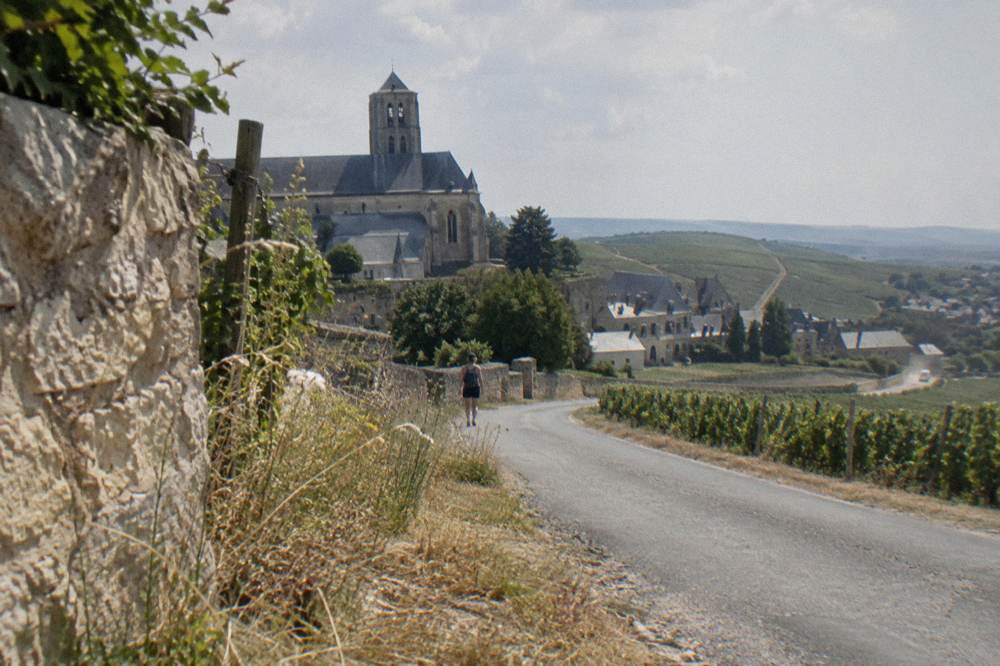
For a more paced version, the Grand Vintage Route runs 12 and a half hours with the Moet cellars, Hautvillers, Veuve Clicquot and Reims Cathedral on its stops list, from $790.00 per person, rated 4.83 across 43 reviews. The longer Three Houses day adds Pommery and stretches to 13 hours from $812.00 per person, rated 4.42 across 24 reviews; the review pool is small and the score sits below the others, so it is a fit for completists rather than the default choice.
The alternative strategy is to skip Paris departures entirely. Trains put Reims about 45 minutes away, and Reims-based half days with six tastings start at $134.00 per person, though those prices exclude the journey from Paris and should never sit beside a from-Paris fare as equals. The champagne tour from Reims guide lays out that route. There is also a train-first option that reaches Reims by rail and adds vineyard tastings, covered in the Reims or Epernay comparison.
What The Cellars Feel Like Below Ground
Both houses keep their cellars cool year round, and only Pommery publishes a number, 10 C. Moet's own page advises warm clothing for its cool cellars, and Veuve's crayères sit at a similar chill. The practical answer for either house: bring a layer even in July, because an hour and a half underground at cellar temperature cools you fast.
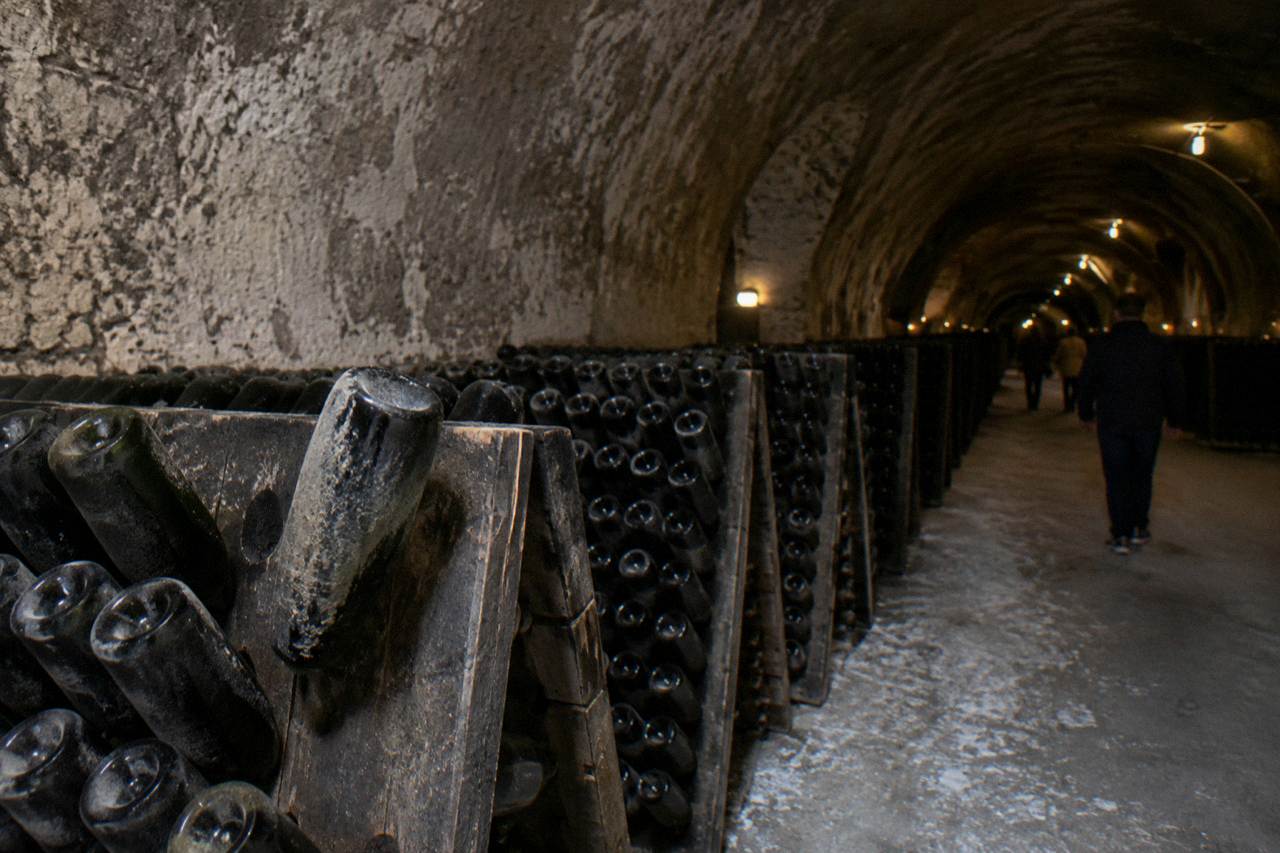
The physical difference underground is the least reported part of this comparison and the one visitors remember longest. Veuve's tours pass through the crayères, the chalk quarries the Romans cut and the houses later hollowed into ageing galleries, and that heritage is exactly why UNESCO listed the Saint-Nicaise cellars. Taittinger, a Reims neighbour not in this head-to-head, describes its own cellars as eighteen metres underground in galleries and Gallo-Roman quarries on the same World Heritage basis, which gives a sense of what lies under the hill.
Moet's network is the region's largest by length, 28 km of tunnels, and the scale is the point: the visit reads less as a quarry tour and more as a city beneath a street. Both experiences end in a tasting room above ground, and both houses structure their visits around a guided walk followed by a pour, which is why duration and pace matter more than square metres when choosing. If you tend to fidget after forty minutes of walking, the shorter formats suit you; if you love the engineering, the long galleries are the trip.
Timing around the year is worth a sentence. The vineyard calendar runs from pruning in winter through flowering in May and June to a harvest that in 2026 began on 6 August, the earliest ever recorded in Champagne, about 14 days ahead of 2025, with widespread picking from 17 August. None of that closes the cellars; visits run year round, but the region's mood shifts with the vines, and the Comite Champagne's own figures on the appellation give a sense of the machine behind it: 266.1 million bottles shipped in 2025.
Small-group and private options sit side by side on Champagne Tours From Paris.
Common Questions About Veuve Or Moet
Which Is Nicer, Veuve Or Moet?
Veuve Clicquot is nicer for the underground drama and the cheaper 36 EUR entry tasting in Reims; Moet & Chandon is nicer for the grand Avenue de Champagne setting and its 28 km cellar network in Epernay. Train travellers and cathedral lovers lean Veuve, while vineyard-village itineraries lean Moet.
Is Veuve Clicquot Cheaper To Visit Than Moet & Chandon?
Yes, on direct entry. Veuve's Brut Yellow Label visit costs 36 EUR, while Moet's entry visit costs 48 EUR and the Signature visit 65 EUR, each running about an hour and a half. The gap is small next to the cost of a day trip, so most travellers decide on itinerary rather than door price.
Can You Visit Both Houses In One Day From Paris?
Yes. Private dual-house tours run 12 to 13 hours with hotel pickup listed, from $712.71 per person for the smallest booking, and sequence Moet in Epernay, Veuve in Reims and usually Reims Cathedral. No shared or small-group tour on the site names both houses as stops.
Which House Is Easier To Reach By Train From Paris?
Veuve Clicquot, by a wide margin. Reims is about 45 minutes from Paris Est by TGV, and the cellars sit on Saint-Nicaise Hill, a short ride or walk from the cathedral. Epernay is not on the fast line the same way, so a Moet-first day usually means a driver-led tour.
Are The Veuve Clicquot Cellars Open Year Round?
The cellars run seasonal schedules that change through the year, and the house publishes the exact days on its own booking page. Confirm the dates that matter to your trip before booking trains or a tour, since a tour visit also depends on the house's availability.
Do You Need To Book Moet Or Veuve Visits In Advance?
Moet's own page recommends advance online booking because places on guided tours are limited. The same caution applies at Veuve, and joining a day trip that includes the house stop removes the separate booking step entirely.