Best Time To Visit Champagne: Harvest, Season And Weather
The date you pick changes everything in Champagne: whether you see grapes coming in, how cold the cellars feel, and how busy the Avenue de Champagne gets.
Short answer
September and early October are the best time to visit Champagne: harvest activity runs from mid August, vineyards are golden, and cellar visits settle back into full schedules. May and June are the quiet, green alternative. The 2026 harvest began about 14 days earlier than 2025, with first picking from 6 August.
Timing is the one variable a visitor fully controls in Champagne, and it shapes the day more than most people expect. The region sits about 45 minutes from Paris by TGV, close enough that the same tour can feel like two different trips in March and in September. Vineyard work follows a strict calendar, the big houses adjust their visit schedules around it, and the weather in Reims swings from January averages of 5.7 degrees by day to July averages of 24.7. That spread, drawn from the Météo-France Reims-Courcy station averages, is the difference between a cellar-and-cathedral day and a full day walking the slopes. To weigh those tradeoffs month by month, our guide to choosing the right month for a Champagne trip covers the weather averages, the vineyard calendar, and how the big houses change their opening hours with the season.
This guide works through the year month by month: what the vines are doing, what the weather averages say, what each season does to cellar visits and crowds, and how the timing decision connects to actual bookable days out, from the featured 8 Tastings, Lunch Included small group trip at from $364.00 per person to half day options based in Reims. The 2026 season also rewrote part of the script: the harvest was the earliest ever recorded in the region, which matters for anyone planning a 2027 trip around it.
When Is The Best Time To Visit Champagne?
The best time to visit Champagne is September into early October, when harvest activity overlaps with settled weather and full cellar schedules; May and June are the green, quieter alternative with flowering vines and fewer visitors. Budget travelers get the best conditions in late autumn and winter, when day trip prices hold steady but crowds thin out.
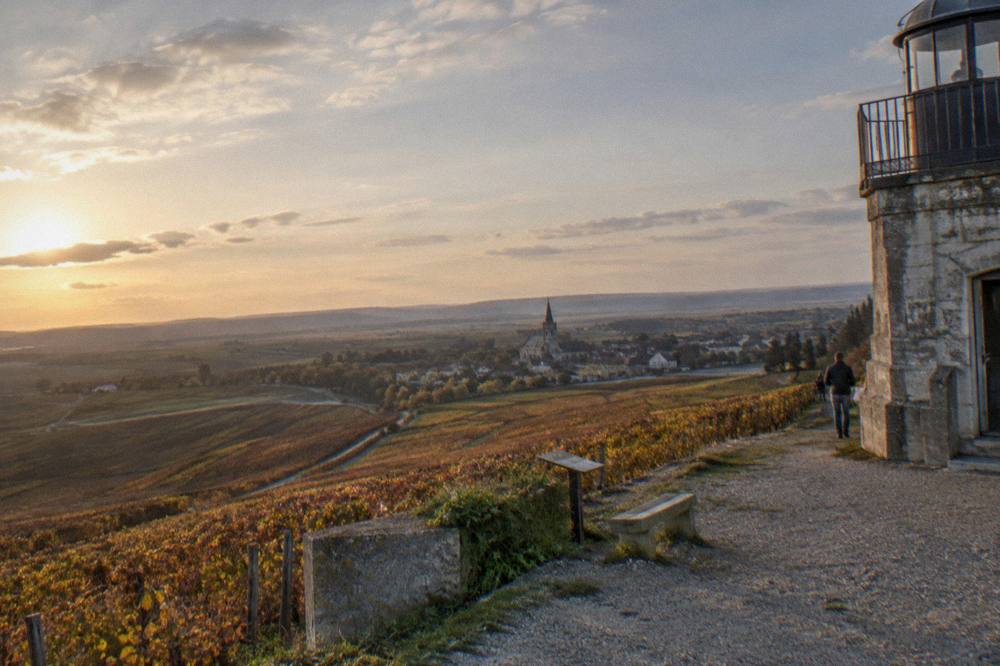
The vineyard calendar gives the year its rhythm. Pruning runs from November to March, with a pause mid December to mid January. Bud break comes in late March into April, flowering in May and June, veraison, when the grapes turn, in August, and harvest from mid August into September, running to early October in cool years. September therefore lands at the point where the region is at its most active without the deep summer heat.
Weather backs that up. The Reims-Courcy averages show September at 20.3 degrees daily maximum with 8.2 rain days of one millimetre or more, and October at 15.6 with 8.9. Compare July, warmer at 24.7 but busier, or January at 5.7 and 10.3 rain days. Nothing here is a promise: the averages are 1981 to 2010 statistics, not a forecast, and any single week can buck them.
Crowds follow the French holiday pattern. August brings domestic holidaymakers and, in a year like 2026, an early harvest; December pulls Christmas market visitors to Reims. The shoulder months, May, June, September and October, are when a small group tour of eight genuinely feels small. For a fuller comparison of the operators running these days, the champagne tours compared guide breaks down the field by price and inclusions.
| Season | Vineyard stage | Average daily max (Reims) | Visitor level |
|---|---|---|---|
| March to May | Pruning ends, bud break, early growth | 11.3 to 18.8 C | Low to moderate |
| June to August | Flowering, veraison, harvest begins | 21.8 to 24.7 C | High |
| September to October | Harvest and post harvest | 20.3 falling to 15.6 C | Moderate |
| November to February | Dormancy, pruning | 6.3 to 9.7 C | Low |
What Happens During The Champagne Harvest?
The 2026 harvest was the earliest ever recorded in Champagne: the harvest ban was announced 12 August, first picking began 6 August, and picking was widespread from 17 August, about 14 days earlier than 2025. Visitors in late August and September saw trucks of fruit on the roads and presses running across the appellation's 34,200 hectares.
That timing comes from the Comité Champagne's official harvest review, which also reported moderate yields with smaller bunch sizes from drought conditions and grapes in what it called exceptional sanitary condition, with all elements in place for wines recalling vintages such as 1921, 1947 and 1959. A ministerial order published in late October 2026 even allowed some 2026 harvest Champagnes to exceed the usual 13 percent alcohol limit, up to 15 percent, because of the heatwave season.
For a visitor, harvest season means spectacle and friction in equal measure. Village streets fill with harvest crews, grower estates run at full tilt, and some small family producers have less time for tastings. The big houses in Reims and Epernay generally keep their visitor schedules running, but individual dates vary, so check the house's own booking page before committing. A related rundown of what each season does to the roads and villages is in the best time to visit planning context.
The practical way to catch harvest energy without harvest hassle is a guided day that manages the logistics. The featured trip, Champagne Day Trip from Paris with 8 Tastings & Lunch, runs from $364.00 per person, rated 4.81 across 1,780 reviews, the most reviewed day on this site's pages, and its stops include a major Champagne house alongside a family owned estate or cooperative, exactly the two faces of a harvest week. If a date around the harvest matters, check availability on the operator's live listing early; September dates fill first.
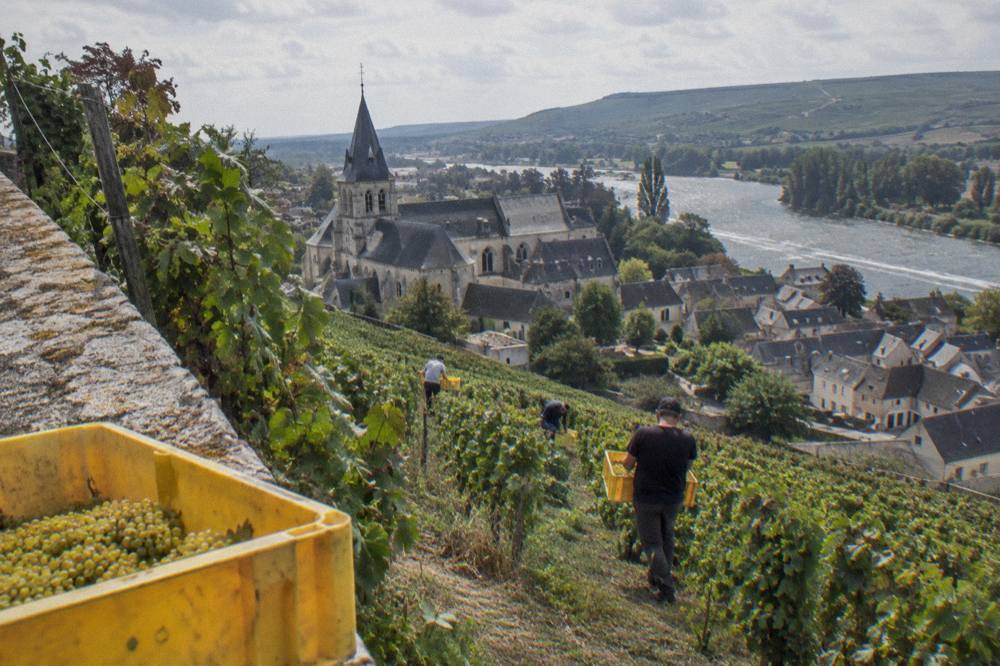
Harvest season visits come in several shapes: a small group Paris day covers house and grower in 10 hours, an e-bike day from Reims runs five to seven, and an afternoon half day suits a lighter pace. The e-bike day from Reims puts you physically among the vines around Aÿ-Champagne and Hautvillers for 5 to 7 hours, and the Reims afternoon tour is a 4.5 hour grower focus for anyone arriving on an afternoon train.
Is September The Best Month For A Champagne Day Trip From Paris?
For most visitors, yes: September combines harvest activity, a 20.3 degree average daily maximum in Reims, only 8.2 rain days on average, and full schedules at the houses, with the cathedral and Avenue de Champagne open as usual. June is the closest rival, greener and quieter but with no harvest.
A September day trip gets the full regional package. The vines are heavy or just picked, the light is good for photographs on the Montagne de Reims, and the UNESCO-listed sites, the Champagne Hillsides, Houses and Cellars inscribed in 2015, and Reims Cathedral inscribed in 1991, are at their most accessible. Day trips from Paris run 10 to 12 hours door to door, which the mild weather makes far more comfortable than the same hours in January.
One September caution: harvest weeks are working weeks for growers. A stop at a small family estate may be shorter or livelier than in October. Large houses keep their public tour programs, and Moët & Chandon's Épernay visits, for instance, run with regular daily departures, advance booking recommended because places are limited. Independent house visits cost from 48 EUR for Moët's entry tour or 36 EUR for Veuve Clicquot's Brut Yellow Label visit in Reims, useful reference points when weighing a guided day against going alone, a trade-off unpacked in champagne by tour or train.
For anyone ready to lock a September date, this tour makes a strong starting point.
What Is Champagne Weather Like Month By Month?
Reims averages range from a January high of 5.7 degrees to a July high of 24.7, with 114.4 rain days and 628.2 millimetres spread across the year, so no month is dry and none is extreme. Spring is mild, summer is warm, and the wettest months by rain day count are March, 10.9, and December, 10.7.
The figures below are the Météo-France Reims-Courcy station averages, statistics from 1981 to 2010. They describe the long run, not any given week, and the cellar temperature question is separate: Pommery holds its cellars at 10 degrees all year, and Moët advises warm clothing for its cool cellars whatever the month, so pack a layer for underground time in every season.
| Month | Avg daily max C | Avg daily min C | Rain days 1 mm+ |
|---|---|---|---|
| January | 5.7 | 0.1 | 10.3 |
| February | 7.1 | 0.1 | 9.6 |
| March | 11.3 | 2.6 | 10.9 |
| April | 14.7 | 4.2 | 9.6 |
| May | 18.8 | 8.1 | 10.4 |
| June | 21.8 | 10.8 | 9.5 |
| July | 24.7 | 12.9 | 8.1 |
| August | 24.3 | 12.6 | 8.3 |
| September | 20.3 | 9.8 | 8.2 |
| October | 15.6 | 7.2 | 8.9 |
| November | 9.7 | 3.4 | 9.7 |
| December | 6.3 | 1.1 | 10.7 |
July and September have the fewest rain days, 8.1 and 8.2, though July is also the warmest and busiest. April is a sleeper pick: 14.7 degrees, 9.6 rain days, bud break on the slopes, and thin crowds in the cellars. The full official appellation picture, 319 villages, 16,460 growers and 410 houses, is published by the Comité Champagne.

Which Season Suits Cellar Visits Best?
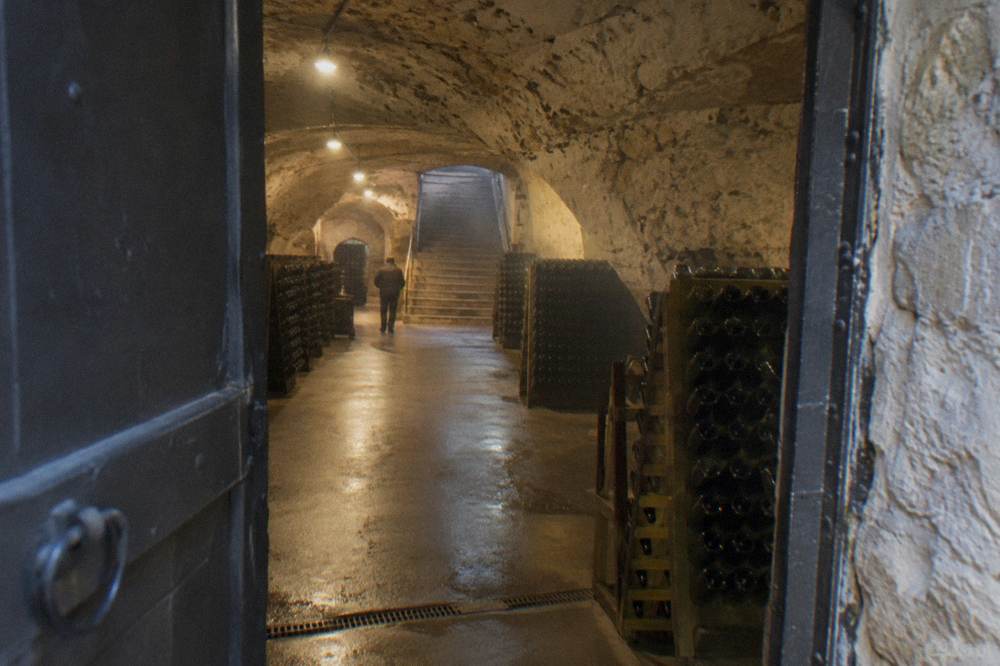
Cellar visits run all year, and the cellars themselves barely change: Pommery's stay at 10 C in every season, and Moët's 28 kilometre underground network is equally vast in July and January. What changes is the surface schedule, so late spring through October gives the widest choice of tour times, while winter means fewer departures at some houses and booking ahead matters more.
There is no blanket winter closure across the houses; hours vary house by house and the reliable move is checking each house's booking page for the dates you want. The things that are worth knowing in advance are structural. Hautvillers Abbey itself is closed to visitors as private Moët property, though the adjacent church is accessible. The Palais du Tau in Reims is closed for renovation until 2027. Reims Cathedral's towers can only be visited on booked guided tours in a window running to mid November 2026, then they close until mid February 2027. None of that touches the great cellars, which are the main event.
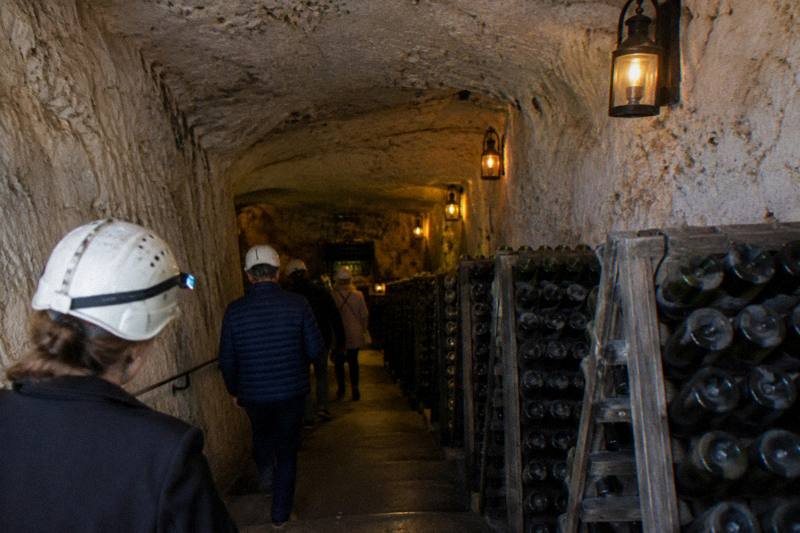
Taittinger's cellars sit eighteen metres underground in galleries and Gallo-Roman chalk quarries that are themselves UNESCO World Heritage, and Veuve Clicquot's tours pass through the UNESCO-listed crayères. These spaces make a compelling winter argument: when Reims turns cold and drizzly, time underground in Pommery's cellars at a steady 10 degrees feels less like a compromise and more like the point. A deeper look at the big houses is in reims champagne houses.
Should You Visit Champagne In Winter?
Winter is a legitimate Champagne season: December's Reims Christmas market runs 25 November to 27 December 2026, illuminations play on the cathedral facade from 27 November, and cellar tours, museums and tastings continue, and the winter months bring smaller crowds and calmer cellars. You trade vineyard scenery for warmth underground and half empty tasting rooms.
The Christmas market and the Régalia sound and light show on the cathedral front give Reims a genuine winter draw, and the Salon des Vins des Vignerons Indépendants, 6 to 9 November 2026, puts dozens of independent winemakers under one roof at the Parc des Expositions. Epernay's museums shift to winter hours at the start of November. Short indoor experiences shine in this season: a guided cellar tasting in Epernay runs from $19.00 per person, and the one hour city tasting in Reims from $50.00, rated 4.83 across 111 reviews.
Winter also suits the longer student of the drink. The Paris-based sommelier day, Champagne Cellars Tour and Tastings with a Sommelier, from $291.00 per person, small group max 7, rated 4.94 across 143 reviews, visits Hautvillers, the Pressoria museum, the Avenue de Champagne and Moët & Chandon across 12 hours, and most of that day is naturally indoors.
For clothing advice tied to those constant cellar temperatures, the what to wear guide covers layers, footwear and the houses that warn you explicitly about the cold underground.
Does The Season Change What A Champagne Tour Costs?
No: day trip prices are set by format, not by month. Small group and shared days from Paris run from $202.00 to $432.18 per person across the year, private days from $555.00, and short tastings from $19.00, so the seasonal variable is availability and crowd size, not the price on the page.
What does shift is practical comfort. A Reims or Epernay based half day, from $134.00 per person for the 4 hour Morning Tour visiting two small family producers, rated 4.79 across 565 reviews, pairs beautifully with a warm month when the walking between stops is pleasant. In deep winter, the all day Paris departures with hotel pickup listed, such as the Minivan Day at from $267.98 with lunch included and four tastings, minimize time standing around outdoors.
| Tour type | Price range (per person) | Best seasonal fit |
|---|---|---|
| Small group day from Paris | $202.00 to $432.18 | September to October |
| Private day from Paris | $555.00 to $980.68 | Any; flexible timing helps in harvest weeks |
| Luxury day with lunch | $826.74 to $1,197.35 | Spring and autumn |
| Reims or Epernay half day | $134.00 to $286.00 (excludes the Paris train) | May to September |
| Short tasting, 1 to 2 hours | $19.00 to $56.00 | Winter and rainy days |
An e-bike day is the clearest season dependent product on the board: Champagne: E-Bike Champagne Day Tour with Tastings and Lunch, from $213.00 per person, max 8 riders, rated 4.84 across 232 reviews, spends 5 to 7 hours cycling between Le Clos Corbier, Aÿ-Champagne and Hautvillers. That is a May to October proposition for most people, and the listing's free cancellation flag means a poor forecast does not lock you in.
The site gathers the available cellar visits, tastings, and full-day excursions on Champagne Tours From Paris.
What Is The Best Town To Visit In The Champagne Region?
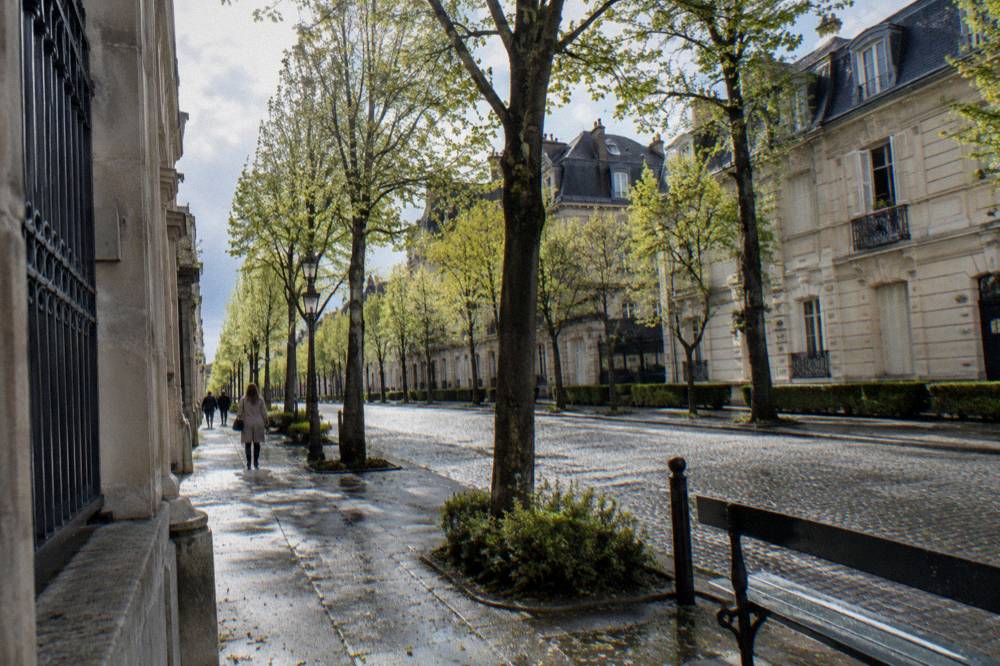
Reims and Epernay split the crown: Reims packs the cathedral, the biggest cellars and the TGV station 45 minutes from Paris, while Epernay holds the Avenue de Champagne, lined with grand houses and part of the UNESCO listing. Hautvillers is the small village third option, tied to Dom Pérignon's story. Most day tours visit at least two of the three.
Season tilts the choice. In winter, Reims wins on indoor weight: four major houses within a short radius, the Christmas market, museums with winter hours. In harvest weeks, Epernay and Hautvillers feel closest to the action, with pickers in the villages and grower estates at their busiest. The two towns' differences, and how to split a single day between them, are laid out in reims or epernay.
Several of these days cover both towns naturally. The Cathedral Stop, Lunch Included day from $391.00 per person, rated 4.83 across 726 reviews, pairs Reims Cathedral with Epernay's Avenue de Champagne in 11 hours. The 6 Tastings day at from $262.28 adds Nicolas Feuillatte and the Abbaye Saint-Pierre d'Hautvillers. The UNESCO inscription of 2015 deliberately spans both towns plus the Hautvillers and Aÿ vineyard slopes, which is the official endorsement of the two town strategy; the UNESCO listing names all three components.
Common Questions About Timing A Champagne Trip
What Is The Best Town To Visit In The Champagne Region?
Reims for the cathedral, the largest cellars and the fast TGV link; Epernay for the Avenue de Champagne and the walkable run of grand houses. Many day tours from Paris visit both in one 10 to 12 hour trip, with Hautvillers as the village third stop.
Which Champagne House Is The Best To Visit?
Moët & Chandon in Epernay for scale, a 28 km underground network and tours from 48 EUR; Veuve Clicquot in Reims for the UNESCO-listed crayères from 36 EUR; Taittinger for cellars cut into Gallo-Roman chalk quarries. The right one depends on whether you want spectacle, history or intimacy.
Which Is The Best Champagne House To Visit?
For a first visit, a day that pairs one major house with one family grower, like the featured 8 Tastings, Lunch Included trip from $364.00 per person, shows both ends of the appellation in a single outing.
What Is The Best Champagne House To Visit In France?
Within the official appellation, Moët & Chandon, Veuve Clicquot, Pommery and Taittinger are four of the best-known houses, split between Reims and Epernay, all reachable on a day trip from Paris of about 45 minutes by TGV.
Which Is The Best Champagne House To Visit In Reims?
Veuve Clicquot, Pommery and Taittinger are the headline Reims houses; Pommery's cellars hold 10 C year round and Taittinger's sit in UNESCO-listed Roman quarries. Several small group tours from Paris include a Reims house plus the cathedral.
The short version: pick September for the full spectacle, June for green quiet, December for markets and cellars, and book any of them early, because the harvest-season dates at the small group operators are the first to go. Whatever month you settle on, the timing decision and the tour decision belong together: match the format to the season, a bike day in warmth, a cellar-heavy day in cold, and the region delivers either way.