Booking Champagne House Visits: Reservations, Age Limits, Timing
Most big Champagne houses run on timed, guided visits with limited places, so a reservation is the norm rather than the exception. Moët & Chandon states it plainly: book ahead, because places are limited and walk-ins are not assured.
Short answer
Yes, book ahead. Moët & Chandon asks for advance online booking because places are limited; Veuve Clicquot and Taittinger sell timed visits on their own pages. Direct visits run from 36 EUR at Veuve Clicquot to 48 and 65 EUR at Moët & Chandon. A pre-arranged day tour bundles the cellars into one booking.
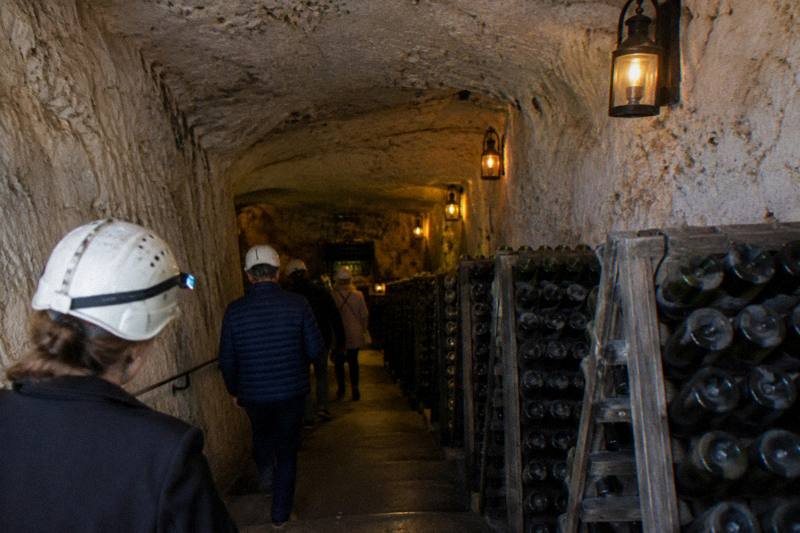
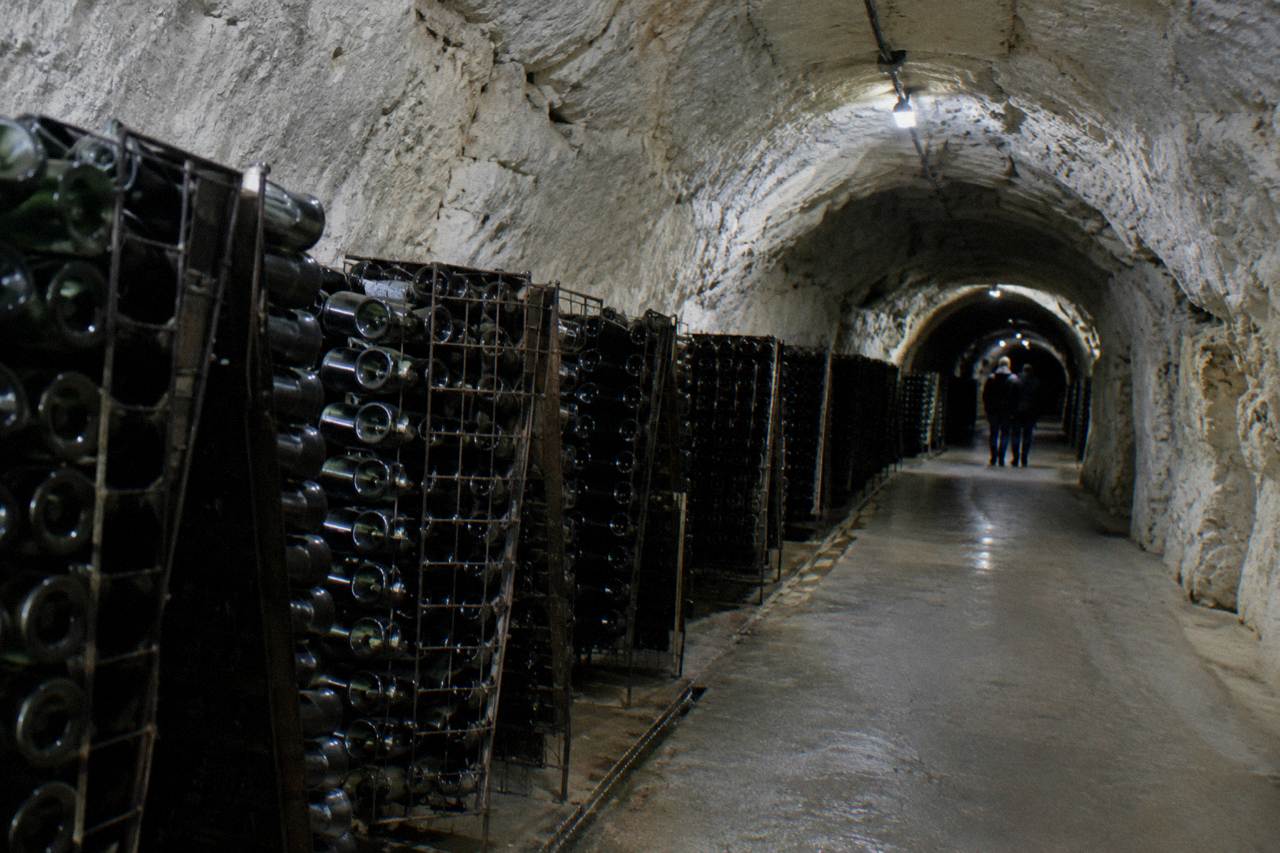
A Champagne house visit is not a drop-in tasting room affair. The grandes maisons of Reims and Épernay open their crayères, those Gallo-Roman chalk cellars now listed by UNESCO, on timed guided visits with capped group sizes, and several run their own booking pages where places are limited, so book ahead. Moët & Chandon says it directly on its visitor page: advance online booking is recommended because places are limited, and walk-ins are possible but not guaranteed.
That single sentence answers most of the planning question, but the details matter. Which houses take bookings, which ones you can risk on arrival, what a direct visit costs, and whether a pre-arranged tour from Paris absorbs the problem are all covered below, with the current visit prices for the two houses that publish them.
Do You Need To Book Champagne House Visits?
In practice, yes. The major houses in Reims and Épernay run timed, guided cellar visits with limited places, and the two that publish booking guidance both point to advance online reservation. Moët & Chandon recommends booking ahead because places are limited, and Veuve Clicquot and Taittinger sell their visits through their own online booking pages. Only small grower estates in the villages sometimes receive visitors more casually.
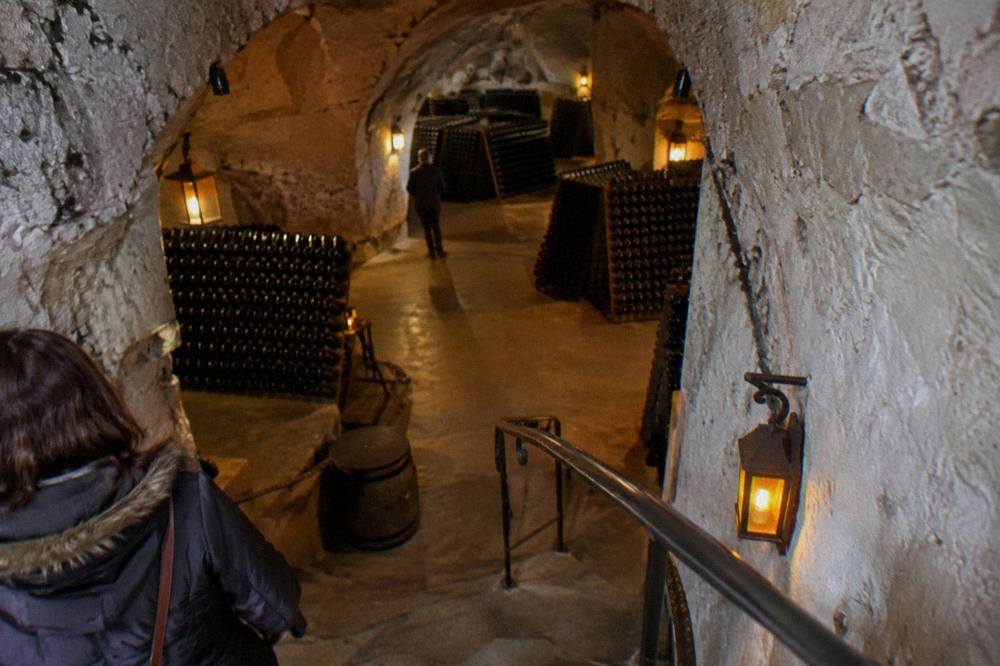
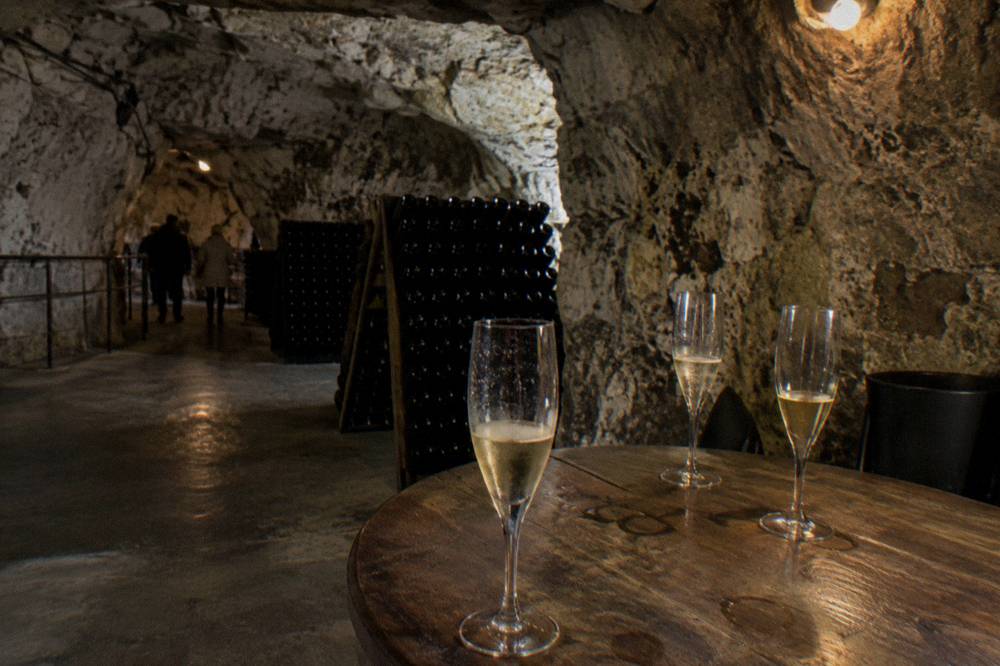
The reason is structural. A house like Moët & Chandon sits on a 28 km underground network, and visits move through it in guided groups at fixed times. Capacity per departure is small relative to the number of people in Épernay on any given afternoon, especially between late spring and early autumn. The same logic applies in Reims, where Veuve Clicquot's tours pass through the UNESCO-listed crayères and Taittinger's descend eighteen metres into Gallo-Roman chalk quarries.
Taittinger handles bookings in French and English through its own online reservation page, with several tasting options once you are inside the booking flow. Veuve Clicquot publishes its visit tiers and calendar on its visit page. For the other big names, the practical advice is simple: check each house's own page before assuming anything, because published prices and schedules exist only for the houses named here.
The appellation behind all of this is enormous, which explains the pressure on visiting capacity. Official Comité Champagne figures count 34,200 hectares of vineyards across 319 villages, worked by 16,460 growers and shaped by 410 houses, with 266.1 million bottles shipped in 2025. A handful of those houses absorb the overwhelming majority of visitor demand.
Which Champagne Houses Require A Reservation?
Moët & Chandon, Veuve Clicquot and Taittinger all require or strongly recommend a reserved time slot, and each runs its own online booking page. Beyond those three, no reliable public booking details exist for Mumm, Ruinart, Mercier, Nicolas Feuillatte or Pommery, so the safe move is to check each house's own page directly before counting on a visit.
What is confirmed today is narrow and specific. Moët & Chandon in Épernay publishes two entry tiers, a standard visit at 48 EUR and the Signature visit at 65 EUR, each running about an hour and a half through the cellars with a tasting, and the house asks visitors to book online in advance because places are limited. Veuve Clicquot in Reims sells its Brut Yellow Label visit, a cellar tour with tasting, at 36 EUR through its own booking page, alongside higher comparative-tasting tiers. Taittinger takes French and English bookings through its online reservation system.
| House | City | Direct booking? | Published direct price | Notes |
|---|---|---|---|---|
| Moët & Chandon | Épernay | Own booking page, advance recommended | 48 EUR and 65 EUR Signature, about 1 hr 30 each | 28 km underground network; house advises warm clothing for the cool cellars |
| Veuve Clicquot | Reims | Own booking page, timed visits | 36 EUR Brut Yellow Label visit | Tour passes the UNESCO-listed crayères |
| Taittinger | Reims | Own booking page, French and English | Price not published here | Cellars eighteen metres underground in Gallo-Roman chalk quarries |
| Pommery | Reims | Check the house's page | Not published here | Cellars held at 10 C all year |
| Mumm, Ruinart, Mercier, Nicolas Feuillatte | Reims and Épernay | Check each house's page | Not published here | No reliable public booking details to quote |
One caution that trips up a lot of first-time visitors: a tour description that names a house is not always a promise of that house. Some day trips from Paris list a major house as one possible stop, with the actual house varying by date, and some private itineraries choose houses with the guide on the day. Read the operator's description before assuming you will stand in a specific cellar.
A pre-arranged tour sidesteps the reservation problem entirely, because the operator holds the cellar slots. Three options that do exactly that:
How Far Ahead Should You Book Moët & Chandon And Veuve Clicquot?
Book as soon as your travel dates are fixed, and treat several weeks ahead as the sensible margin from May through September. Moët & Chandon explicitly recommends advance online booking because places are limited, and Veuve Clicquot runs a published seasonal calendar with days the cellars are closed, so a late booking risks finding the slots gone or the house shut.
Veuve Clicquot's calendar is the clearest illustration of why timing matters. Its Reims cellars keep hours that vary through the year, so check the house's own booking page for current visit times before you set your date. A traveller who arrives in Reims assuming a seven-day week can find the crayères locked. The house's own visit page carries the current calendar, and that is where a booking belongs.
Weekends and the summer plateau are the pinch points everywhere. July averages a daily high of 24.7 C in Reims and August 24.3 C, with rain on roughly eight days a month, so the season combines good touring weather with peak visitor numbers. May through June is nearly as busy, with flowering in the vineyards drawing crowds to the region. If your dates are fixed inside those months, booking the houses before you book the train is not an exaggeration.
Winter looks easier and generally is, but the calendars shift rather than disappear. Houses adjust schedules rather than closing wholesale, and the safe rule across the whole appellation is to check the house's own booking page for the season you are travelling in, rather than relying on a rule of thumb.
Do You Need To Book Champagne Houses In Epernay?
On the Avenue de Champagne, yes. The street's headline house, Moët & Chandon, recommends advance online booking because places are limited, and every major cellar visit on the avenue runs on timed guided slots. Casual options exist, including a one-hour guided cellar visit with tastings from $19.00 per person, but the big houses still want a reservation.
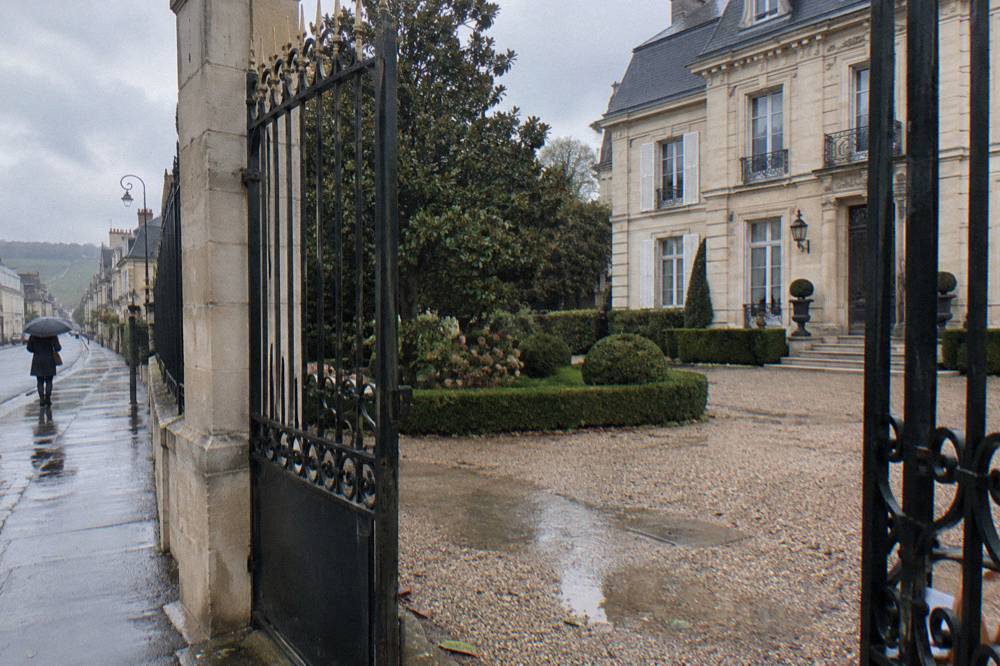
Épernay concentrates the visiting demand in a way few wine towns anywhere match. The Avenue de Champagne alone holds the estates of several major houses, and the avenue plus Fort Chabrol forms one of the three components of the UNESCO Champagne Hillsides, Houses and Cellars inscription from 2015. Demand piles onto a short street.
The booking picture splits into two layers. At the top, Moët & Chandon runs its timed visits at 48 EUR and 65 EUR, with advance booking recommended and warm clothing advised for the cool cellars. Below that sits a layer of smaller-scale experiences where availability is more forgiving, including cellar visits in town that run about an hour with tastings included, bookable on short notice at modest prices. An Epernay cellar visit with tastings runs from $19.00 per person for a one-hour guided tour with a group capped at twelve, rated 4.66 across 605 reviews.
The deeper planning guide to the avenue itself covers which houses sit where and what else the street offers beyond cellar doors.
For travellers weighing a self-guided day against letting someone else hold the reservations, the comparison page on champagne by tour or train works through the trade-offs in full, including the Paris Est to Reims TGV at about 45 minutes each way.
What Does A Champagne House Visit Cost To Book Directly?
Confirmed direct prices are narrow: Moët & Chandon charges 48 EUR for its standard visit and 65 EUR for the Signature tour, each about an hour and a half, and Veuve Clicquot charges 36 EUR for its Brut Yellow Label cellar visit and tasting. No other major house has a reliably published price, so budget around those anchors and check each house's page.
Direct booking and tour pricing answer different questions. A direct visit buys the cellar and the tasting and nothing else: you reach Reims or Épernay under your own steam, at your own timing. Reaching Reims from Paris by TGV takes about 45 minutes from Paris Est, and fares and timetables live on the SNCF Connect route page, which is the only place to check them.
A tour from Paris bundles the same cellar experiences with the travel, and the from-price bands are wide. Small-group and shared day trips from Paris run from $202.00 to $432.18 per person, with the floor being a shared 4-tasting trip rated 4.25 across 21 reviews. Private days from Paris run from $555.00 to $980.68 per person, and luxury days with lunch run from $826.74 to $1,197.35 per person. Reims-based half and full days, which exclude the journey from Paris, run from $134.00 to $286.00 per person, and short tastings in Reims or Épernay run from $19.00 to $56.00.
| Booking route | What it costs | What it includes | Best for |
|---|---|---|---|
| Moët & Chandon direct | 48 EUR, or 65 EUR Signature, about 1 hr 30 | Cellar tour plus tasting | A focused visit to one great house |
| Veuve Clicquot direct | 36 EUR | Cellar tour through the crayères plus a Brut Yellow Label tasting | Reims, booked around the house calendar |
| Small-group day from Paris | From $202.00 to $432.18 per person | Travel, guided visits, tastings; lunch on some options | Travellers who want the reservations handled |
| Reims-based half day | From $134.00 to $286.00 per person | Visits and tastings from Reims, travel from Paris excluded | Independent travellers arriving by train |
| Short tasting in town | From $19.00 to $56.00 per person | A one to two hour tasting experience | Filling a gap without a full day |
The cost question has a full breakdown, including where each band sits relative to what a day actually delivers, in the guide on how much a Champagne tour costs.

When Is The Hardest Time To Get A Champagne Reservation?
Late spring through early September is the tightest window, combining peak visitor numbers with the harvest itself. The 2026 harvest began on 6 August and was widespread by 17 August, the earliest ever recorded in Champagne, and while houses do not close wholesale for the vendange, schedules tighten and the region fills with picking crews and visitors at once.
The 2026 season rewrote the calendar. The harvest ban was announced on 12 August, but first picking had already started on 6 August, and by 17 August the pickers were across the appellation, about fourteen days earlier than 2025. The Comité Champagne's review describes moderate yields from drought-affected bunches and grapes in exceptional sanitary condition, with the raw material for a vintage locals are already comparing to historic years.
For a visitor, that cuts two ways. Late August and September bring golden vineyards and real activity in the villages, and the weather is generous, with September averaging a daily high of 20.3 C and only about eight rainy days. But it is also when tasting rooms are busiest and when grower estates, the small family operations whose owners are also farmers, are most likely to be short-staffed at the cellar door. If visiting in that window, booking everything ahead is not caution, it is the baseline.
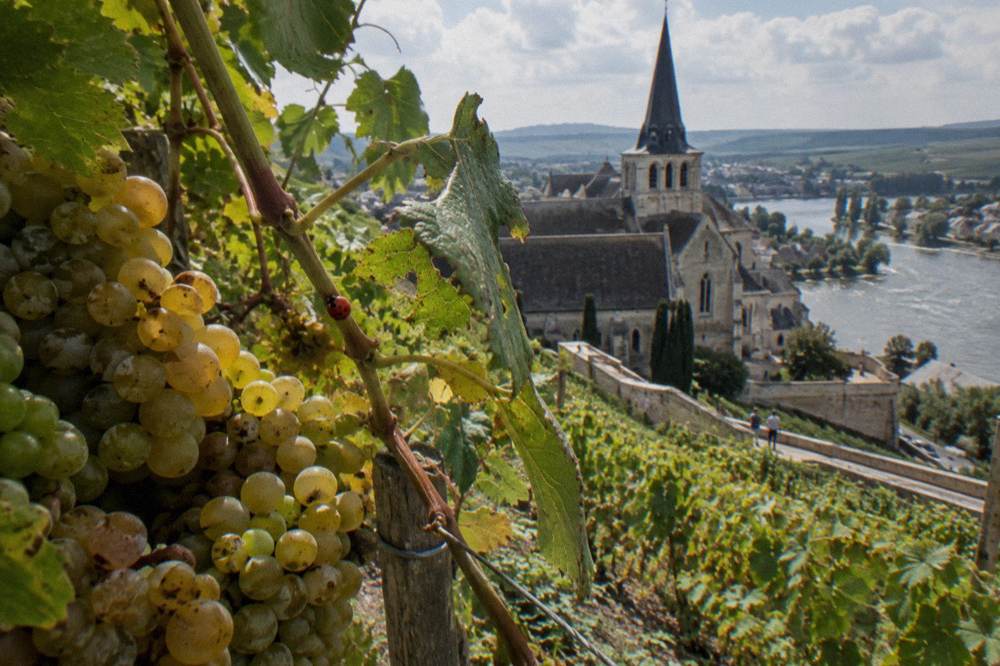
Spring carries its own logic. Bud break runs late March into April and flowering May into June, and the vineyards are at their freshest. October and November quieten the region considerably, with November averaging a 9.7 C daily high and just under ten rainy days, and the Christmas market season in Reims from late November gives the cold months a warm centre. The vineyard year, season by season, is set out in the guide to the best time to visit Champagne.
Is A Pre-Arranged Tour Easier Than Booking Houses Yourself?
Usually, yes. A day tour from Paris folds the cellar reservations, the driving between Reims and Épernay and the timetable into one booking, which matters when individual house slots are limited and Reims and Épernay are separate stops on the regional rail line. The trade is price and flexibility: from roughly $202 per person for a shared day versus 36 to 65 EUR per house booked direct.
The arithmetic is straightforward. Booking Moët & Chandon direct and Veuve Clicquot direct buys you two excellent cellars at their published per-person prices, before any train fare, any lunch, and any travel between the two towns, which are not walking distance from one another. A shared day from Paris at the lower end of the band covers transport and multiple stops for a single figure, while the small-group options at $364.00 per person, the 8-tastings trip with lunch rated 4.81 across 1,780 reviews, cap the group at eight and include the midday meal.
The house you visit still deserves a check. That 8-tastings day names a major house as one stop, with the specific house, among Mumm, Veuve Clicquot, Moët & Chandon, Mercier, Pommery, Lanson or Nicolas Feuillatte, varying by date, alongside a family-owned estate. If one particular cellar is the whole point of your trip, the pages on the Moët & Chandon tour and the Veuve Clicquot tour identify the departures that build the day around each house.
| Format | From price | Group size | Lunch | Reservations handled |
|---|---|---|---|---|
| 8 Tastings, Lunch Included, from Paris | From $364.00 per person | Max 8 | Included | Yes, house chosen from a dated list |
| 6 Tastings, No Lunch, from Paris | From $262.28 per person | Shared | Not listed | Yes, Nicolas Feuillatte and Hautvillers abbey site |
| Verzenay Lighthouse, 4 Tastings, from Paris | From $202.00 per person | Shared | Not listed | Yes, rated 4.25 across 21 reviews |
| Epernay Cellar, 1 Hour | From $19.00 per person | Max 12 | Not listed | Single cellar in Epernay |
| Lamiable Cellar, 3 Tastings | From $36.49 per person | Shared | Not listed | Single grower cellar near Reims |
For travellers who want the grandes maisons without the reservation chase at all, one private option builds the whole day around them: the Private Grand Vintage itinerary takes in the Moët & Chandon cellars in Épernay, the village of Hautvillers, Veuve Clicquot in Reims and Reims Cathedral, from $790.00 per person for the smallest booking, rated 4.83 across 43 reviews over twelve and a half hours.
A note on the village that appears on nearly every itinerary: Hautvillers Abbey itself is closed to visitors, as private Moët & Chandon property, so tours stop in the village and at the church rather than inside the abbey walls. The story of Dom Pérignon and what you can actually see there is covered in the Hautvillers and Dom Pérignon guide.
What About Age Limits And Group Rules For House Visits?
No house-level age limits can be stated with confidence, because none of the official pages publish them, so families should ask each house directly through its booking page before reserving. What is documented is group size: tour small-groups cap at seven or eight guests, and the smallest published tasting experiences cap at twelve, while house-run visits take timed guided groups of varying size.
Moët & Chandon, Veuve Clicquot, Taittinger and Pommery do not publish a minimum age for their visits. Families should ask through the booking page before reserving a cellar tour., their prices where published, and their booking processes, but publish no minimum age for the cellar tour or the tasting. Writing a rule here would be invention. The booking pages themselves usually carry a conditions section, and that is where the question belongs.
Group rules are better documented on the tour side, because operators publish caps. The sommelier-led Paris cellars day caps its group at seven. The small-group days from Paris cap at eight. The one-hour Epernay cellar visit caps at twelve. If a quiet cellar matters to you, that cap number, printed on the operator's description, tells you more than any adjective in the title.
Practicalities worth fixing before you book any of it: bring a layer, because the cellars run cool and Pommery's are a constant 10 C all year; wear closed shoes for the chalk floors and the stepped descent into the cellars; and plan the day around Reims and Épernay as two separate towns, roughly 45 minutes from Paris by TGV for the first, and connected to the second by regional train on a timetable best checked on SNCF Connect. What to pack for the cellars has its own page in the guide on what to wear for a Champagne cellar tour.
Can You Book Champagne Houses On Arrival In Reims?
Sometimes, but it is a gamble in exactly the places people most want to see. Moët & Chandon states that walk-ins are possible but not guaranteed, and in Reims the demand lands on Veuve Clicquot and Taittinger, both of which run timed online booking. The reliable on-arrival options are the small grower cellars and short tasting experiences, from $19.00 per person in the city centre.
Reims splits cleanly by scale. The big houses want bookings; the short experiences in the city centre are more forgiving. A one-hour Champagne tasting in central Reims runs from $50.00 per person, rated 4.83 across 111 reviews, and a two-hour traditional cellar tour and tasting at the Lamiable estate outside the city runs from $36.49 per person with three tastings, rated 5.0 across 63 reviews. Both are the kind of booking you can make a day or two out, or even the same morning in the quieter months.
The half-day and full-day tours departing from Reims itself are the middle path for train travellers. A morning tour visiting two small family producers near Reims runs four hours from $134.00 per person, with six tastings and a group capped at eight, rated 4.79 across 565 reviews. A half day with two grower visits runs four hours from $136.84 per person, rated 4.9 across 386 reviews. These prices exclude the journey from Paris, so they suit a traveller already installed in Reims or arriving by early train, and they never belong in a sentence beside a from-Paris price as if the two were equal.
One planning fact from the 2026 season shapes any autumn arrival: the Salon des Vins des Vignerons Indépendants runs 6 to 9 November at the Parc des Expositions in Reims, and the Christmas market follows from 25 November to 27 December, so late-year visits carry both thinner house schedules and a livelier city centre.
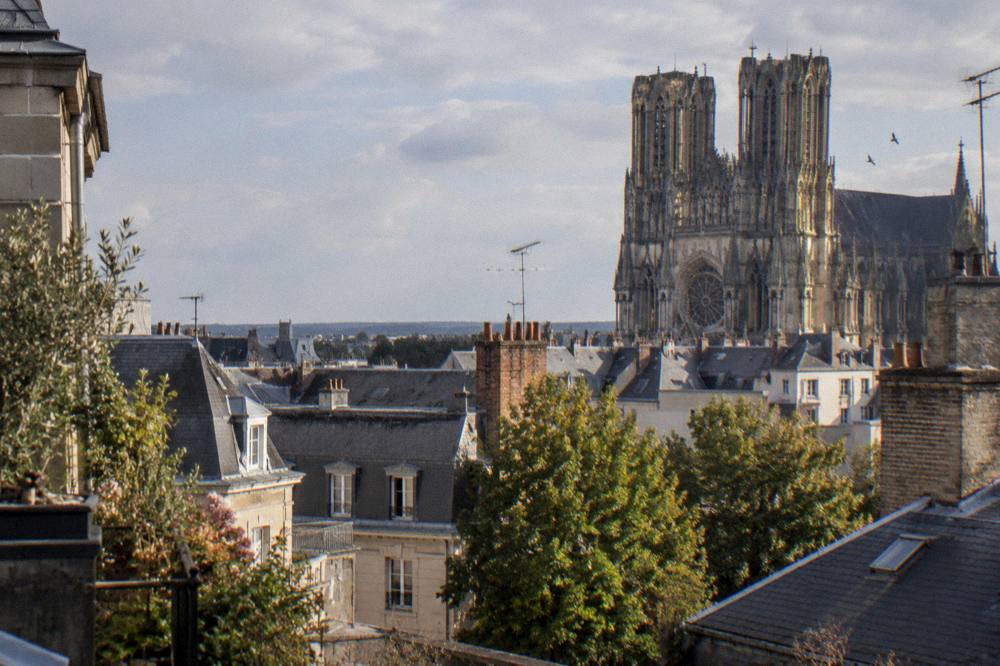
Beyond the cellars, Reims rewards the time between visits. The cathedral, a UNESCO monument since 1991, is the coronation church of French kings, and its towers open for guided visits on booked tours only in the current window, with no tower ticket price printed here. The Palais du Tau beside it is closed for renovation until 2027. The practical balance between the two towns, and which one deserves your limited hours, is worked through in Reims or Epernay.
Small-group and private options sit side by side on Champagne Tours From Paris.
Three bookings cover most travellers neatly: a sommelier-guided day from Paris when the reservations should simply be handled, a private grand vintage route when the named houses are the point, and a short grower cellar visit when the day needs only one stop.
Common Questions About Booking Champagne House Visits
Do You Need To Book Champagne Houses In Epernay?
Yes for the major houses. Moët & Chandon on the Avenue de Champagne recommends advance online booking because places are limited, and its visits cost 48 EUR or 65 EUR for the Signature tour. Smaller cellar visits in town, from $19.00 per person for a one-hour guided tasting, are easier to book on shorter notice.
Champagne Houses
The appellation counts 410 houses alongside 16,460 growers across 34,200 hectares and 319 villages, with 266.1 million bottles shipped in 2025. Only a handful of the biggest houses, chiefly in Reims and Épernay, run large-scale visitor programs, and those are the ones that need reservations.
Champagne House
A champagne house is a producer that blends and ages champagne at scale, often on historic cellars carved into chalk. Visits typically pair a guided cellar walk with a tasting: Moët & Chandon charges 48 EUR for about an hour and a half, and Veuve Clicquot charges 36 EUR for its Brut Yellow Label visit.
Champagne Houses France
The houses concentrate in two towns in northeastern France: Reims, home to Veuve Clicquot, Taittinger and Pommery among others, and Épernay, home to Moët & Chandon on the Avenue de Champagne. Reims sits about 45 minutes from Paris by TGV from Paris Est, with fares and times on SNCF Connect.
Champagne Houses In Champagne
The houses are physically located in the Champagne region itself, around Reims and Epernay., roughly 45 minutes from Paris by TGV to Reims. The cellars beneath Reims and Épernay, including the UNESCO-listed crayères, are part of the Champagne Hillsides, Houses and Cellars World Heritage inscription of 2015.
Can A Tour From Paris Replace Booking The Houses Myself?
In practical terms, yes. A day tour from Paris holds the cellar slots before you travel, so one booking covers the visits, the tastings and the travel between towns. Small-group days from Paris run from $202.00 to $432.18 per person depending on inclusions, against 36 to 65 EUR per house booked direct before travel costs.