What To Wear On A Champagne Cellar Tour
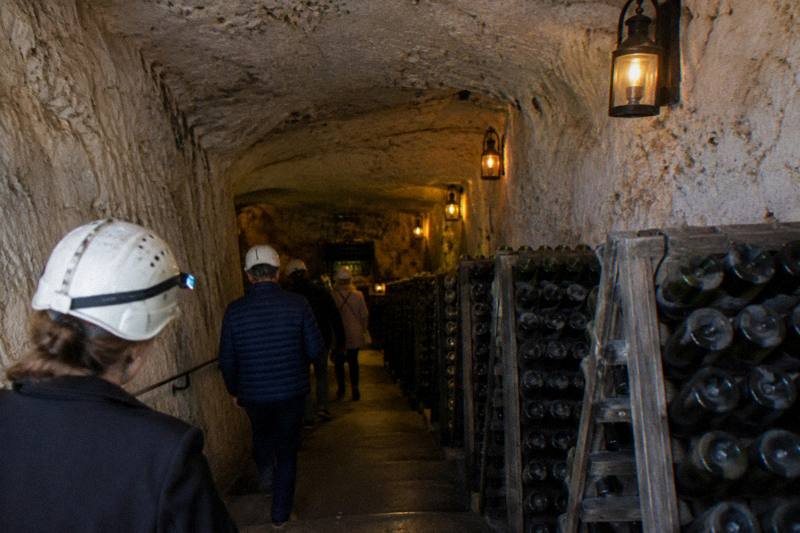
Pommery's cellars hold a steady 10°C all year and the rest of the day is spent outdoors, so the outfit that works is the one built in layers.
Short answer
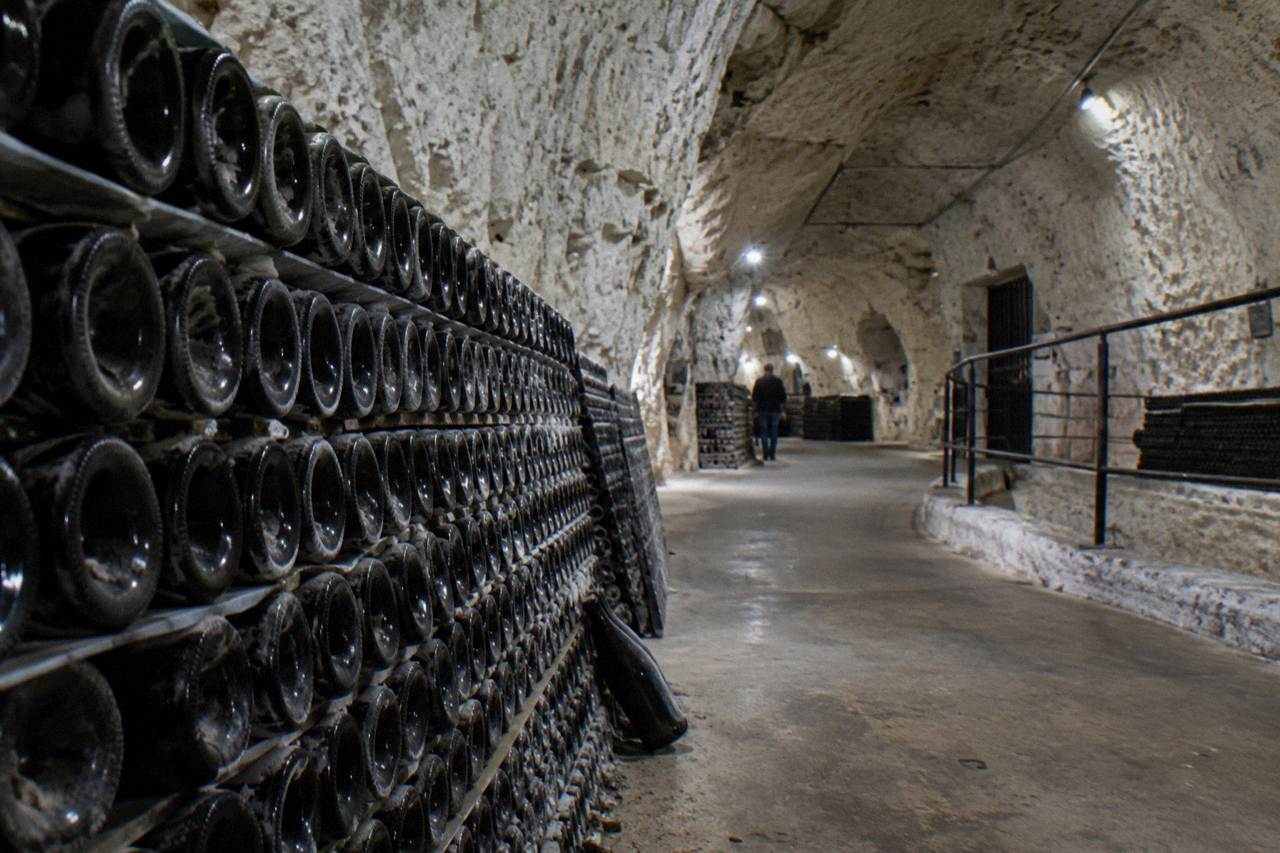
Champagne cellars hold around 10 C at Pommery all year, and Moet's own visitor page tells guests to bring warm clothing for its cool 28 km network. Pack a warm layer you can carry, closed shoes for cobblestones and chalk stairs, and a jacket for the vineyard stops between tastings. Shorts work in summer above ground, never comfortably below.
Champagne has a wardrobe problem built into the ground. The cellars under Reims and Epernay were dug into soft chalk precisely because chalk stays cool and damp, which is what the bottles need and what a body in a t-shirt does not. Above them, the day is a moving one: a cathedral square in Reims, a lunch stop, a vineyard viewpoint above Hautvillers, a walk down the Avenue de Champagne. The single most useful thing to know before packing is that a champagne day trip runs through two climates in the same afternoon. The size of that temperature gap changes with the seasons, so if you haven't fixed your dates yet, the month-by-month guide to timing a Champagne trip tells you how cold those cellars will feel by the time you climb down.
The houses themselves are candid about the cold. Moet & Chandon's visitor page states plainly that the cellars maintain a cool temperature and advises warm clothing, and its underground network runs 28 km beneath Epernay. Pommery publishes the only precise figure any major house gives: 10 C in the cellars all year round. Whether the van door is opening onto a July heatwave or a January drizzle, the tunnel under the chalk feels close to the same.
What Should You Wear Inside A Champagne Cellar?
The reliable answer is a warm mid-layer you can tie around your waist or leave on the bus: a fleece, a knit or a light insulated jacket, plus something with sleeves even in August. Pommery holds its cellars at 10 C every month of the year, and Moet asks visitors to bring warm clothing. Twenty minutes standing still in that, listening to a guide, chills a person in summer clothes quickly.
The cold is only half the story. Cellar floors are chalk, sometimes swept but often dusty, and the descent into houses like Pommery and Taittinger involves long spiral or straight staircases down into the rock. Taittinger's cellars sit eighteen metres underground in galleries and Gallo-Roman chalk quarries listed as UNESCO World Heritage. Flat shoes with grip beat anything with a heel, and dark trousers hide chalk dust better than light linen.
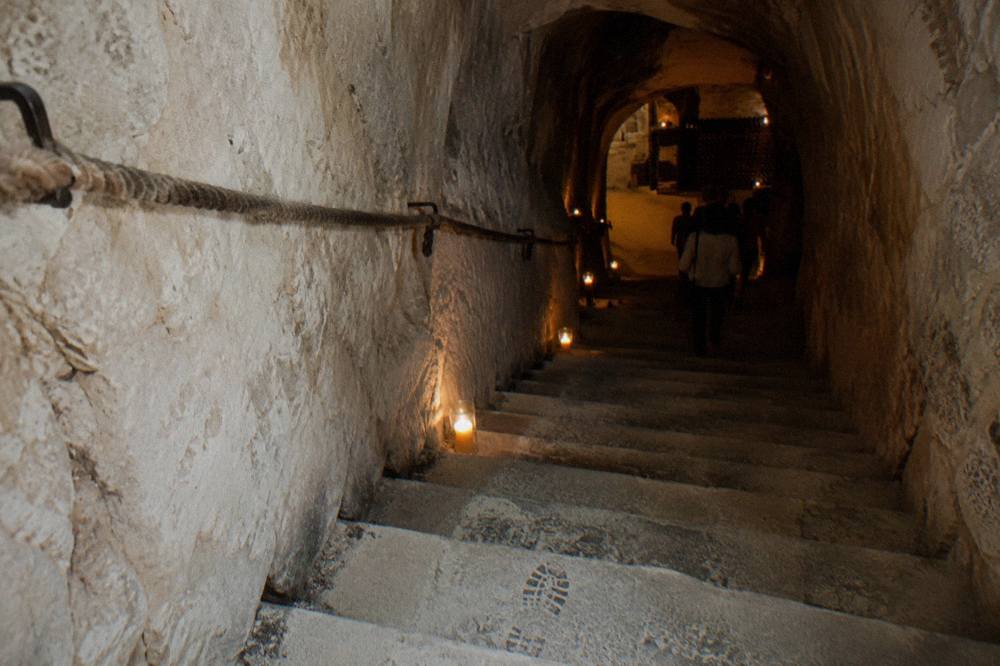
Dampness matters too. Chalk holds moisture, so the air below ground feels humid and clammy rather than crisp. A shell jacket over a fleece handles both the chill and the damp, and it compresses into a day bag between stops. Anyone booking a full-day excursion such as the Champagne Day Trip from Paris with 8 Tastings and Lunch, from $364.00 per person and rated 4.81 across 1,780 reviews, will pass through at least two cellars in a single day, one major house and one family estate, so the warm layer gets worn and shed repeatedly. If all that layering on and off leaves you tempted to stay the night rather than rush back to Paris, our guide to choosing between Reims and Epernay as a base covers which town sits closest to the cellars and tour pickups.
| House | What the house itself says | Practical wardrobe read |
|---|---|---|
| Moet & Chandon, Epernay | Cellars are cool, bring warm clothing; 28 km underground network | Warm layer compulsory, any season |
| Pommery, Reims | 10 C in the cellars all year round | Treat it as a winter room |
| Veuve Clicquot, Reims | Tours pass through the UNESCO-listed crayeres | Stairs and chalk floors, flat shoes |
| Taittinger, Reims | Eighteen metres underground in listed quarries | Long descent, choose shoes accordingly |
How Cold Are The Cellars Compared To The Street?
On a July afternoon in Reims the street can sit near 24.7 C while the cellar below holds around 10 C, a gap of nearly fifteen degrees that hits the moment the tour group stops walking. In January the contrast reverses in feeling: 5.7 C outside feels raw with wind, and the cellar seems mild until the damp settles in. Neither extreme changes what goes in the bag.
Those street figures come from Meteo-France's long-run averages for the Reims-Courcy station, the official climate record for the region. They describe the air the rest of the day happens in, the walk between the cathedral and a lunch table, the viewpoint above the Marne valley, the wait outside a pickup point. Champagne is northern France, on the same latitude band as southern England, and the vineyards exist because the chalk stores the sun's heat slowly, not because the summers are hot.
The practical packing conclusion is the layering system travellers already own. A base of whatever suits the street weather, a fleece or knit for underground, and a light waterproof for the vineyard stops, where shade and wind can drop the felt temperature fast. Every day trip and tasting on Champagne Tours From Paris spells out which stops the itinerary actually includes, because a day built around Reims spends more time indoors than one built around Hautvillers and the vineyard slopes.
For anyone comparing the cost of building a day independently, the champagne tour cost breakdown shows what house visits add up to: Moet's entry visit is 48 EUR per person and its Signature tier 65 EUR, each about an hour and a half, while Veuve Clicquot's Brut Yellow Label visit is 36 EUR.
What Shoes Work Best For A Champagne Day Trip?
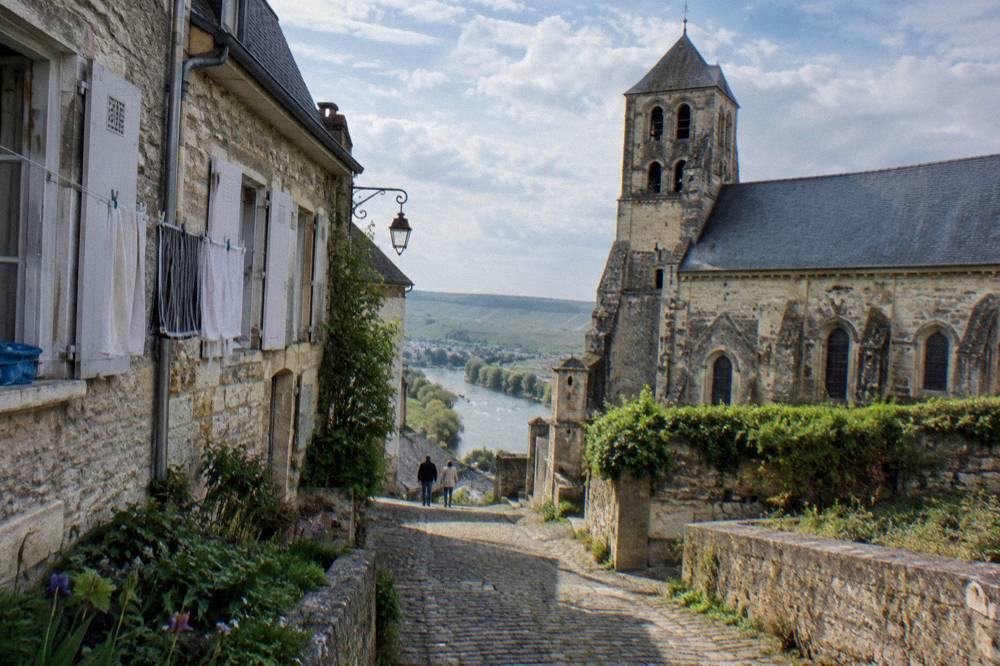
Closed, flat shoes with real grip are the answer for nearly every itinerary: cellar stairs are chalk-cut and sometimes damp, Epernay's Avenue de Champagne is UNESCO-listed, and Hautvillers sits on steep village lanes. Trainers, ankle boots or walking shoes all work. Heels fail on three surfaces at once, and sandals spend an hour underground at 10 C, which most people regret by the second tasting.
The terrain list explains the recommendation. A typical day from Paris touches a cathedral, where stone floors and steps dominate; a cellar, with stairs descending up to eighteen metres at Taittinger; and often a vineyard or viewpoint stop, where the ground is grass, chalk track or gravel. Even the e-bike itineraries around Aÿ-Champagne put riders on lanes between vines before a cellar visit at a family estate, so one pair of shoes has to handle pedals, chalk and grass in the same afternoon.
| Itinerary type | Typical ground | Shoe that handles it |
|---|---|---|
| House cellars in Reims | Chalk stairs, damp floors | Trainers or flat boots with grip |
| Avenue de Champagne walk | Cobbles, polished tasting-room floors | Anything flat with a sole that grips |
| Hautvillers and vineyard stops | Slopes, grass, gravel tracks | Walking shoes |
| E-bike vineyard day | Pedals, lanes, cellar stairs | Closed trainers only |
Sock choice is a small thing that pays off. Cellar tours involve standing still for an hour or more on cold stone, and thin summer socks turn the experience miserable by the halfway point. A spare pair folded into the day bag also rescues a vineyard stop after rain, when chalk tracks hold mud. The champagne tour with lunch guide covers which itineraries build in a restaurant stop, useful for planning when shoes can be swapped or a layer shed.
How Does The Season Change What You Pack?
Summer days from June to August average highs of 21.8 to 24.7 C in Reims, so the base layer is genuinely warm-weather clothing, but the cellar layer still travels along. Spring and autumn swing between 11 and 19 C with rain on roughly ten days a month, making a waterproof the single most useful garment. Winter highs sit near 5 to 7 C, and the wardrobe becomes standard northern-European cold-weather kit.
The monthly picture from Meteo-France's Reims-Courcy record gives the detail. Rain is remarkably even-handed here: between 8.1 and 10.9 days per month with a millimetre or more, all year. There is no dry season to aim for, which is why the packing advice barely changes between a May trip and an October one, only the weight of the layers.
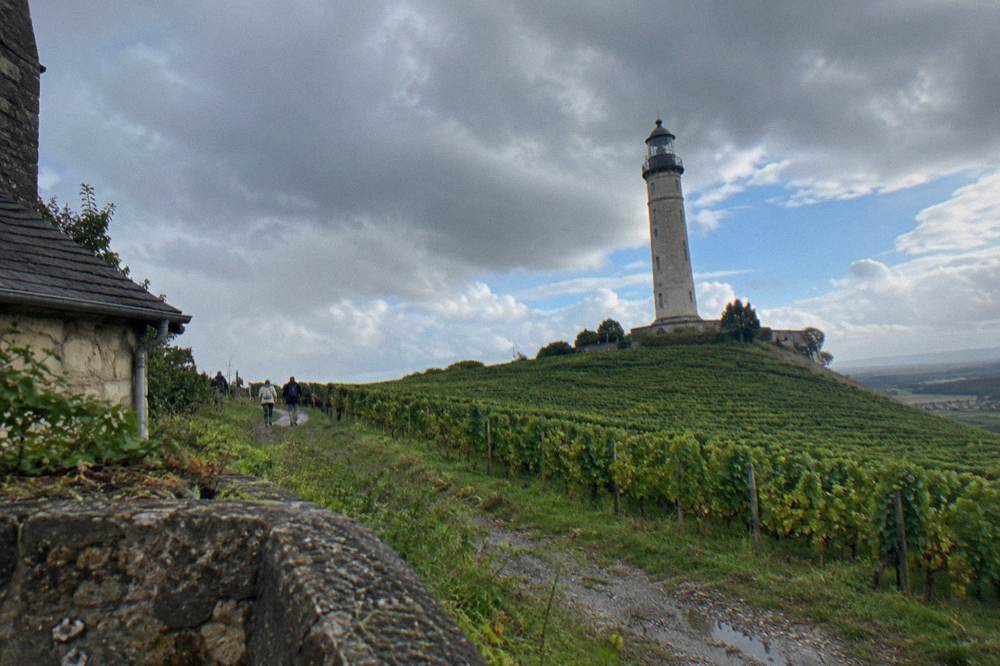
| Month | Average high / low (C) | Rain days (1 mm+) | Wardrobe note |
|---|---|---|---|
| January | 5.7 / 0.1 | 10.3 | Winter coat, warm layers, waterproof |
| April | 14.7 / 4.2 | 9.6 | Light jacket plus mid-layer |
| July | 24.7 / 12.9 | 8.1 | Summer base, fleece for cellars |
| October | 15.6 / 7.2 | 8.9 | Layered, waterproof in the bag |
| December | 6.3 / 1.1 | 10.7 | Full winter kit, warm footwear |

The vineyard calendar adds one seasonal nuance. Harvest runs mid-August to September, and in 2026 the region recorded its earliest harvest ever, with first picking on 6 August and the ban announced on 12 August, about fourteen days ahead of 2025. An August or September visitor may share lanes with harvest tractors, so closed shoes and darker clothes that shrug off dust and grape juice earn their place. Pruning runs November to March, meaning winter visitors see bare vines and muddy tracks between rows.
Does Dress Code Matter At The Champagne Houses?
No house on the standard day-trip circuit enforces a formal dress code, and daily tour groups arrive in exactly the practical clothing described above. What matters is the format of the day: shared and small-group tours are casually dressed, while private and luxury itineraries often include a restaurant lunch or a spa stop where smart-casual feels appropriate. The cellar itself imposes the only real rule, warmth, not elegance.
That said, champagne is a place people photograph, and the houses know it. Tasting rooms at the major properties are elegant spaces, UNESCO-listed crayères at Veuve Clicquot, the cellars at Moet in Epernay, and clothing that photographs well is a reasonable want, not a vanity. A dark base layer does triple duty: it hides chalk dust, suits a lunch table and looks right in the pictures.
| Tour format | Typical dress on the day | Extra to consider |
|---|---|---|
| Small-group day from Paris | Casual practical | Nothing beyond the layering kit |
| Shared day trip | Casual practical | Space in a day bag for the jacket |
| Private day trip | Smart-casual | Possible restaurant stop |
| Luxury with lunch | Smart-casual upward | Venue may be upscale, check the listing |
The luxury end of the schedule illustrates the point. The Luxury Champagne Tour with two famous houses and a restaurant lunch, from $826.74 per person, includes a stop at Le Spa Royal Champagne, an outfit change of venue if ever there was one. At the other end of the budget, the champagne on a budget guide covers cheaper tasting-only options, where the dress question answers itself: whatever is comfortable for an hour in a cool cellar.
What Should You Wear On An E-Bike Vineyard Day?
An e-bike day wants the tightest clothing of any format: nothing loose near the chain, closed trainers for pedals and lanes, and a windproof layer, because moving air at 20 C feels far cooler on a bike than on foot. The reward for dressing right is the best-value format in the region for scenery per hour, riding lanes between the vines of Aÿ-Champagne and Hautvillers with tasting stops built in.
The reference itinerary here is the e-bike champagne day tour from Reims, from $213.00 per person, rated 4.84 across 232 reviews, five to seven hours with lunch included and stops at Le Clos Corbier in Aÿ-Champagne and Hautvillers. Shorts are fine on the bike in summer with a liner or snug fit; flapping trouser legs and loose scarves are the things to leave at the hotel. Sunglasses and a cap earn their place on any clear day, sun or wind protection both.
Layers still apply, because even a summer e-bike day usually ends with a cellar tasting back at the estate. The same fleece that rides in the pannier or day bag goes on underground. Gloves matter more than most visitors expect in spring and autumn, when handlebars stay cold through the morning, and a spare layer for after the ride covers the sweat-chill that follows any sustained pedalling, even with electric assist doing most of the climbing.
What Should You Pack Beyond The Clothes?
A small day bag with a folded waterproof, a spare pair of socks, sunglasses and a refillable bottle covers almost every itinerary. Add sunscreen for the vineyard months, since open slopes offer little shade, and a compact bag that fits a van or minibus luggage rack rather than a full-size backpack. Binoculars, picnic gear and heavy cameras stay behind; the days are built around short stops.
A few practical notes sharpen the list. Houses limit group movement in working cellars, so a large bag may need to stay on the vehicle, and anything fragile is better left at the hotel. A phone handles photos everywhere on the circuit. For travellers arriving by train rather than tour, note that Paris to Reims by TGV takes about 45 minutes from Paris Est, with fares and times on SNCF Connect; a soft overnight-style bag beats a hard case for the station walk and any same-day return.
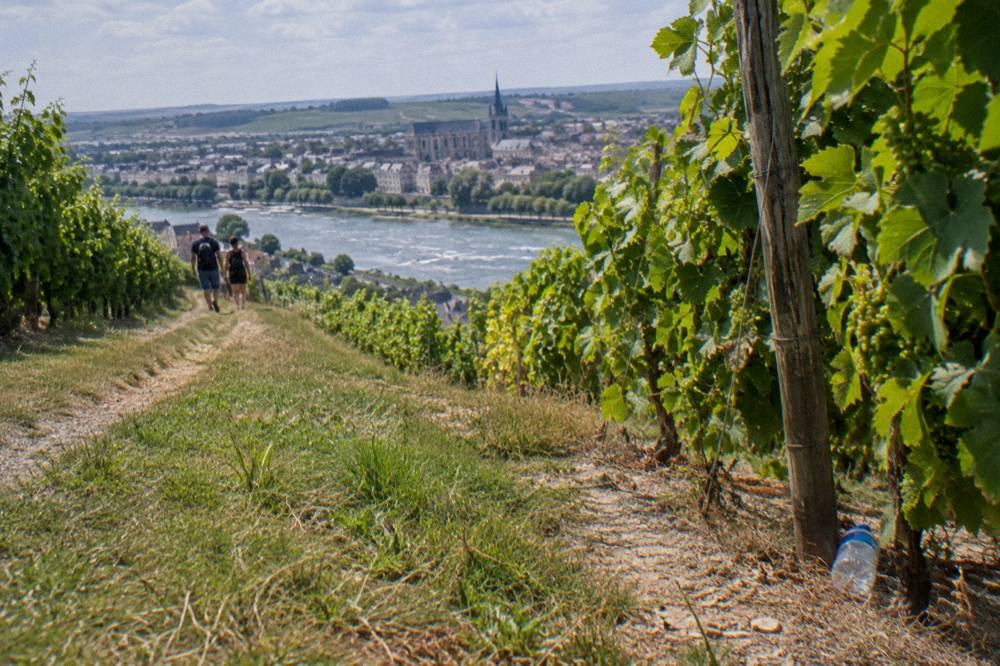
Wine purchases reshape the bag question. Almost every visitor buys a bottle or two, and estate shops sell carrying protection of varying quality. A flat, zippered tote at the bottom of the day bag protects both the bottles and the clothes packed beside them for the journey home. Anyone planning a heavier haul should check the where to stay in Reims and Epernay guide for basing a night or two in the region instead of carrying glass on an evening train.
One last comfort item: a small packable umbrella beats a rain jacket for the short walks between doorways on the Avenue de Champagne, where showers can arrive in almost any month. The Reims climate record counts rain on many days each year, spread fairly evenly across the seasons.
Do Winter Visits Need Different Planning?
Winter changes the above-ground half of the day, never the cellar half. Pommery's cellars hold 10 C whether Reims is at 6 C or 25 C, so the underground outfit is constant; what winter adds is thermal base layers, a proper coat, gloves for vineyard viewpoints, and earlier darkness that favors itineraries heavy on houses and light on viewpoints. December visitors also gain the Reims Christmas market, running 25 November to 27 December.
Winter hours shift at some attractions, and a couple of closures matter to itinerary planning. The Palais du Tau in Reims is closed for renovation until 2027, Hautvillers Abbey remains private Moet property and closed to visitors, and the cathedral towers run booked tours only, with a winter closure from 16 November 2026 to 14 February 2027. None of that changes clothing advice, but it moves the centre of gravity of a winter day firmly indoors, which conveniently suits the season.
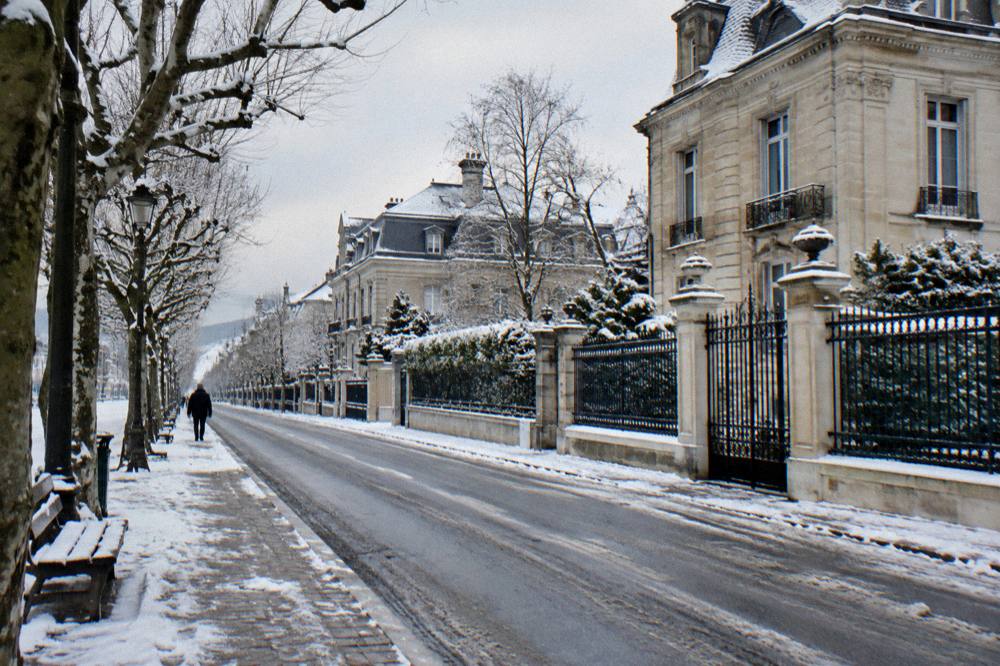
Footwear gets its sternest test between December and February, when cobbles can be wet or briefly icy in the mornings before the average 6 C midday arrives. Boots with a real tread outperform trainers on those days. A short tasting-based day also becomes more attractive in deep winter: the guided cellar visit with tastings in Epernay, from $19.00 per person and rated 4.66 across 605 reviews, is an hour underground and nothing outdoors at all, and the sommelier-led cellars day from Paris, from $291.00 per person with hotel pickup listed, keeps the emphasis on interiors and tasting rooms.
The region's own calendar is worth a glance before any winter booking. The vineyard year pauses in mid-December to mid-January, with pruning resuming through March, so a February visitor sees the vines at their barest, and with winter hours varying by house, it pays to check each house's own booking page before counting on a cellar visit, though the best time to visit champagne guide weighs the trade-offs month by month.
The theme across every format and season is simple: dress for two climates, and carry the second one. Beyond that, a cellar tour is one of the least demanding days a traveller can take, a fact reflected in how casually most groups arrive. The houses want visitors; the chalk wants a jacket.
Common Questions About What To Wear On A Champagne Cellar Tour
What Should You Wear Inside A Champagne Cellar?
A warm mid-layer such as a fleece or knit, plus closed flat shoes. Pommery holds its cellars at 10 C all year and Moet's visitor page advises warm clothing for its cool 28 km network, so sleeves go down every month.
Do You Need A Jacket For A Champagne Cellar Tour In Summer?
Yes. Summer highs in Reims average 21.8 to 24.7 C, but the cellars hold near 10 C, and standing still for an hour underground chills anyone in a t-shirt. A light jacket or fleece that packs small is the standard answer.
Are There Stairs In The Champagne Cellars?
Most major cellars involve them. Taittinger's galleries sit eighteen metres underground in former Gallo-Roman quarries, and several houses use chalk-cut staircases, which is the main reason flat shoes with grip beat heels.
Is There A Dress Code At Champagne Houses?
No formal code applies on standard tours, and groups dress casually. Private and luxury itineraries often include a restaurant or spa stop, such as Le Spa Royal Champagne, where smart-casual clothing fits better.
What Shoes Are Best For A Champagne Day Trip?
Trainers, ankle boots or walking shoes. The day typically combines cellar stairs, cobbles on the Avenue de Champagne and sometimes vineyard tracks, three surfaces that all punish heels and loose sandals.
What Should You Wear On An E-Bike Vineyard Tour In Champagne?
Snug clothing with nothing loose near the chain, closed trainers, gloves in cooler months and a windproof layer. Even summer rides usually end with a cellar tasting, so the warm layer still travels along.