Is The Veuve Clicquot Tour Worth It?
An honest look at the Veuve Clicquot cellar visit in Reims: what the 36 EUR tour includes, how to get there from Paris, and when a guided day trip makes more sense.
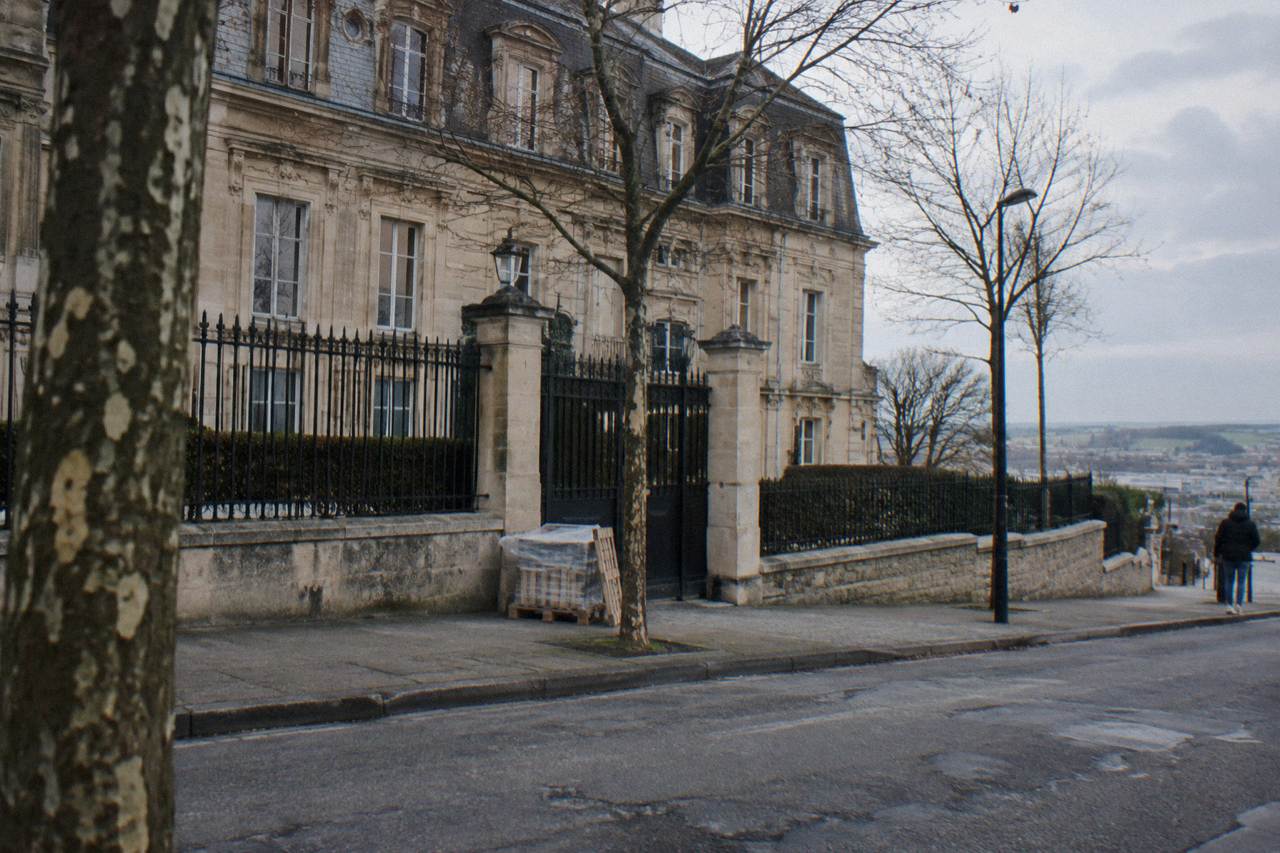
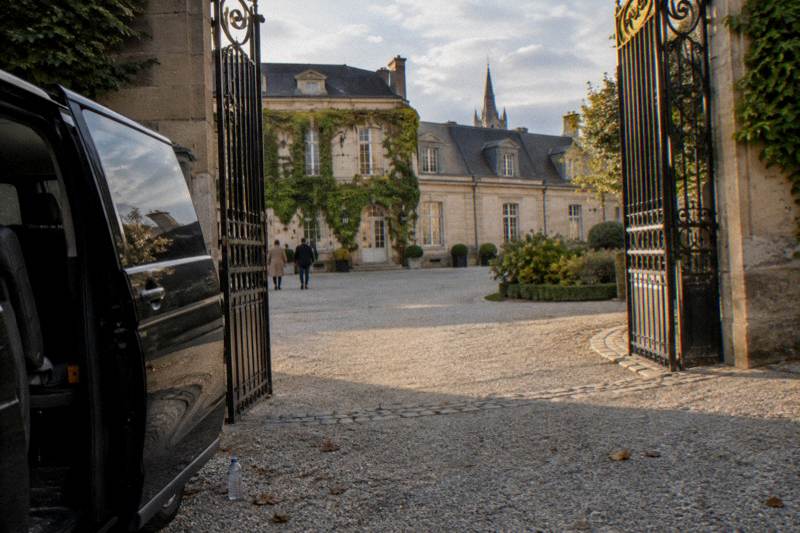
The Veuve Clicquot name carries a story few champagne houses can match: a young widow took over the business and turned it into one of the most recognized labels in the world. Today the house sits on Saint-Nicaise Hill in Reims, above chalk cellars so distinctive that UNESCO listed them as part of the Champagne Hillsides, Houses and Cellars World Heritage site in 2015. The question most Paris visitors ask is narrower and more practical: is the paid cellar visit worth your money and half a day, or does a guided tour from Paris deliver more for the same spend? To weigh that question properly, start with whether visiting Veuve Clicquot without a tour is realistic for your trip, since booking the cellars directly changes the whole cost comparison.
Yes, for most first-time visitors the visit earns its price: for 36 EUR the Brut Yellow Label tour walks you through the UNESCO-listed Crayères chalk cellars and ends with a guided tasting. It is worth it if you want one house in depth. It is worth less if you want several producers, vineyard views and lunch, which points you toward a full day trip from Paris instead.
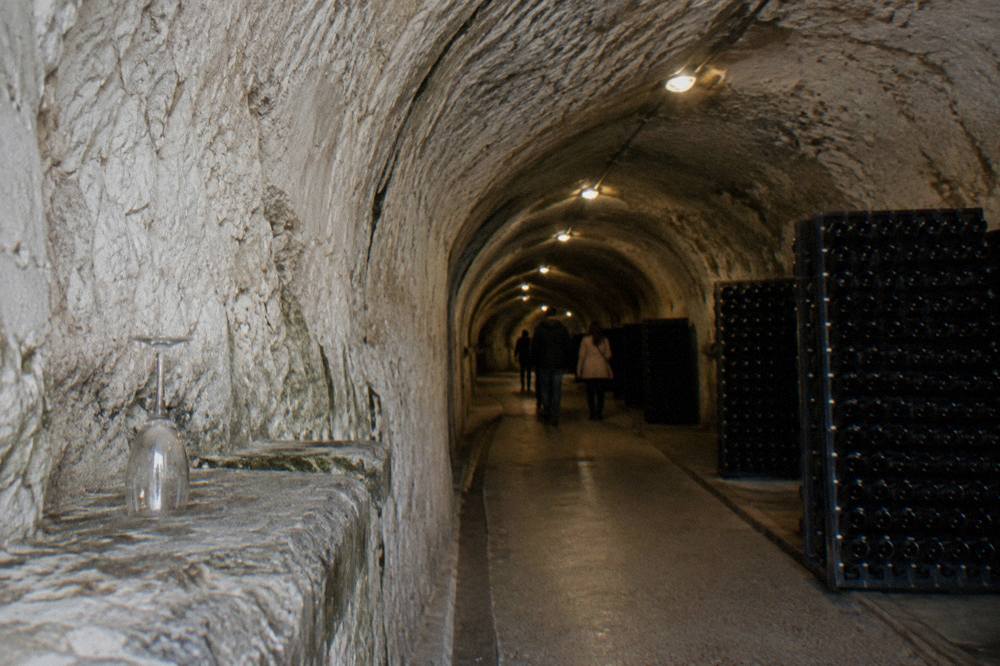
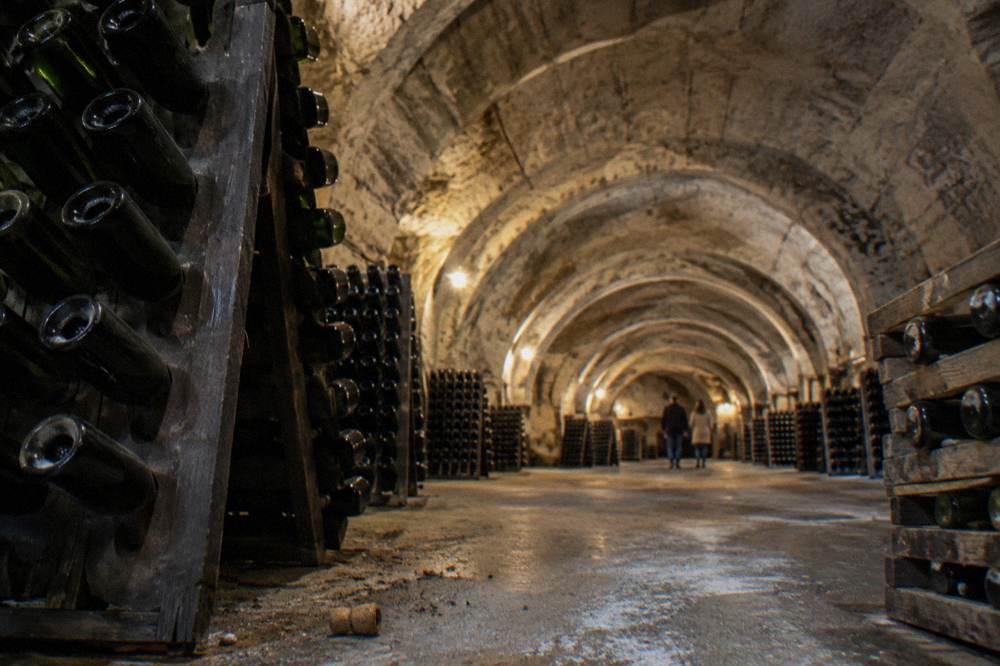
The core of the case for the visit is the setting. Saint-Nicaise Hill in Reims is one of the three components of the UNESCO inscription, alongside the historic vineyards of Hautvillers, Aÿ and Mareuil-sur-Aÿ, and the Avenue de Champagne in Épernay. The Crayères are former Gallo-Roman chalk quarries, dug long before the champagne industry existed and later connected into miles of cellars where bottles age at a stable temperature. Veuve Clicquot's own visitor page describes the tour route through these crayères, and the tasting that closes the visit. You can see the tour options and book directly on the house's official visit page.
The case against is equally simple. A single-house visit is an hour or so underground plus a tasting. It does not show you vineyards, a grower estate, the Avenue de Champagne or the cathedral, and it leaves every piece of logistics in your hands: the train to Reims, the walk or ride up the hill, the timing back to the station. Travelers who want Champagne as a region rather than Champagne as a brand tend to be happier on a structured day trip.
That is really the whole decision, and the rest of this article unpacks it. Price, travel time, what the cellars feel like, which Paris tours include the house, and when to skip the visit entirely. If the short answer already points you toward a guided day, these three private options cover the spread:
The first is a focused nine-hour private day built around Veuve Clicquot with hotel pickup in Paris. The second pairs Moët & Chandon and Veuve Clicquot in one twelve-hour private day from $712.71 per person, rated 4.5 across 23 reviews. The third, the Grand Vintage private tour from $790.00 per person, adds Hautvillers and Reims Cathedral over twelve and a half hours, rated 4.83 across 43 reviews. Every day trip and tasting sits side by side at Champagne Tours From Paris, so you can compare the full spread.
Is Visiting Veuve Clicquot Worth It?
For most visitors, yes: the entry visit costs 36 EUR, walks the UNESCO-listed Crayères and finishes with a tasting of the house's flagship Brut Yellow Label style, which is a fair price for the most storied cellar on Saint-Nicaise Hill. It is not worth it for travelers who dislike confined underground spaces, want a vineyard walk, or expect lunch and multiple producers, none of which a single-house visit offers.
The distinction between the two questions above matters less than people think. Asking whether the brand is worth it and whether the tour is worth it usually collapse into the same visit, because the brand is the draw: the yellow label, the widow's story, the crayères. What you are really choosing is depth versus breadth.
Depth wins when Champagne is a side note on a longer France trip. You take the morning train from Paris Est, spend the middle of the day at the house and the cathedral, and are back in Paris for dinner. The direct TGV covers Paris to Reims in about 45 minutes, and schedules and fares are on SNCF Connect. Total outlay for the visit itself is the 36 EUR Brut Yellow Label ticket, the only price the house publishes on its visit page that this article will state.
Breadth wins when Champagne is the point of the day. Four or five hours of trains and transitions eat into a self-built itinerary, and Reims to Épernay adds another leg. A guided day folds the driving, the bookings and the second and third tastings into one price.
Should you decide the guided route fits better, this private day trip covers both Reims and Epernay:
The Private Veuve Clicquot Champagne Half-day Trip from Paris runs nine hours from $555.00 per person, with hotel pickup in Paris and free cancellation on the booking page. The listing names Veuve Clicquot in Reims as its stop, which is exactly the focus a single-house fan wants, without the train logistics. It carries 11 reviews, too few for a star claim, so judge it on its itinerary rather than a rating.
What The Veuve Clicquot Visit Actually Includes
The visit you can price is the Brut Yellow Label tour at 36 EUR, which the house's own page describes as a guided walk through the UNESCO-listed Crayères cellars followed by a tasting. The house offers several longer, more comparative tasting formats at higher prices on its booking page, but the entry tour is the one most first-time visitors book, and it is the only figure stated here.
The underground portion is the reason to go. The crayères of Saint-Nicaise Hill are quarried chalk, high-ceilinged galleries cut in antiquity and reused by champagne houses for centuries because chalk holds a steady cool temperature and barely moves. The UNESCO inscription covers the hill precisely because this landscape of cellars and the industry above it grew together; the World Heritage property spans 1,101.72 hectares across Reims, the vineyard slopes and Épernay. Walking them with a guide, you pass stacked bottles, vintage advertising painted on the walls, and tunnels that run far beyond what the visit covers.
The tasting closes the hour. The entry format centers on the house's signature style, and the guide typically walks the group through what makes the blend what it is. Higher tiers on the house's booking page add comparative tastings of several cuvées, and those suit returning visitors more than first-timers.
Two practical notes. Book ahead on the house's own page rather than counting on a walk-up slot; guided groups are small and popular days fill. And bring a layer: chalk cellars stay cool regardless of the weather above, and a summer dress that was right for the terrace in Reims is wrong twenty meters underground. The house's page and the neighboring houses' visitor pages all make the same point about cellar clothing.
| What the entry visit gives you | What it does not give you |
|---|---|
| Guided walk through the UNESCO-listed Crayères | Vineyard or slope time among the vines |
| Tasting built around the Brut Yellow Label style | Multiple producers or a grower comparison |
| 36 EUR entry price on the house's booking page | Lunch, which no house visit includes |
| A stop on Saint-Nicaise Hill, walkable from central Reims | Épernay, the Avenue de Champagne or Hautvillers |
| The house's own guides and story | A private guide or a flexible timetable |
If you would like to weigh a second house in Reims before committing, the Taittinger cellar tour guide explains how booking works and what the tasting covers.
Getting To Veuve Clicquot From Paris
The fastest route is the direct TGV from Paris Est to Reims, about 45 minutes each way, followed by a short walk or ride from the station to Saint-Nicaise Hill where the house sits. Add the visit itself and a reasonable half day in Reims, and a self-built trip consumes roughly six to eight hours door to door, against ten to twelve for a guided day trip from Paris.
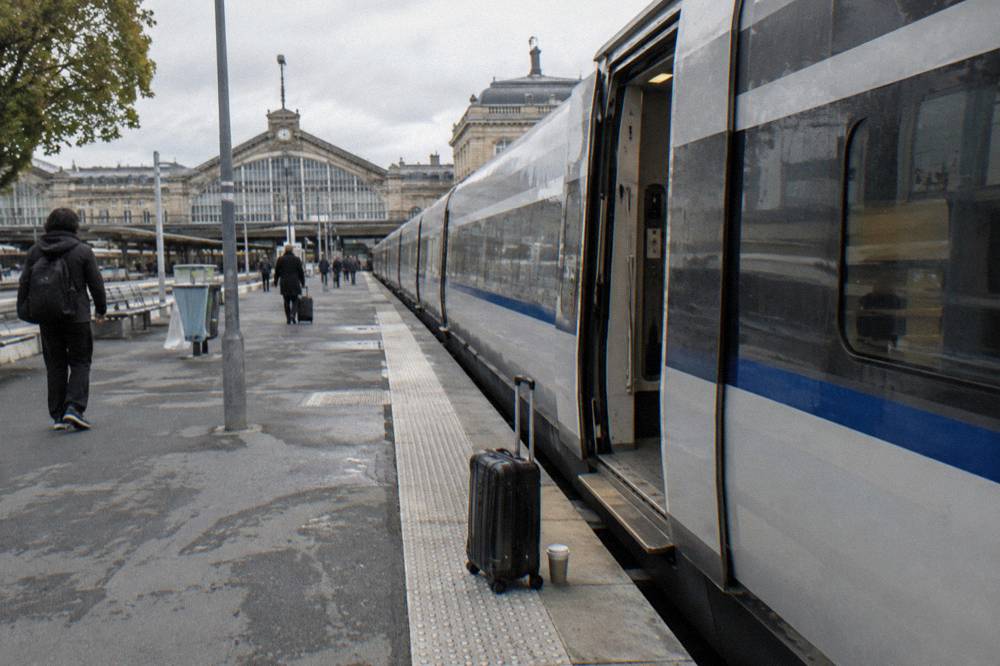
The train is the argument for doing it yourself. Forty-five minutes from the center of Paris to the center of Reims is faster than any road option, and the frequency on the line means a missed connection is an annoyance, not a disaster. Fares and departure times live on SNCF Connect, and booking the TGV early on a French rail account is straightforward. The station in Reims sits north of the center; the walk up to the cathedral and across to Saint-Nicaise Hill takes in most of what the city offers a day visitor.
Against that, the guided day removes every decision. Every Paris-departure tour in this article lists hotel pickup, which means a van at your door instead of a station at rush hour. The trade is time: small-group and shared days from Paris run 10 to 13 hours, and private days run 8 to 13, because the road distance does not shrink for anyone. That is also why from-Paris tour prices start higher than a train ticket plus a 36 EUR visit would suggest; transport, guiding and multiple tastings are folded into one figure.
Reims itself deserves the stop regardless of which route you choose. The Cathedral of Notre-Dame, where French kings were crowned for centuries, has been UNESCO-listed since 1991, and it stands a short walk from the champagne houses. If the balance of cathedral against cellar time matters to you, several tours make a point of it; the guide on Reims and its cathedral as a day trip covers what to expect inside.
How The Visit Price Compares With A Guided Day Trip
The 36 EUR visit is the cheap half of a self-built day: add round-trip train fare and lunch and you still likely spend less than the cheapest guided day from Paris, from $202.00 per person. But the comparison is not equal, because the guided day includes travel, multiple tastings and often lunch, while the house visit includes none of those things, only the cellar walk and one tasting.
The honest framing is that these are different products. A single-house visit plus train is a half day in one city with one producer. A guided day trip is a full circuit of Reims and often Épernay or Hautvillers, with two to nine tastings depending on the tour, and in many cases lunch. This is how the price tiers actually sit:
| Product | Price basis | What is in the price | Rating and reviews |
|---|---|---|---|
| Veuve Clicquot entry visit, Reims | 36 EUR per adult | Cellar walk plus one tasting | Not rated as a tour |
| Cheapest shared day from Paris | from $202.00 per person | Transport, 4 tastings, hotel pickup | 4.25 across 21 reviews |
| Cheapest small-group day from Paris at 4.5-plus | from $257.00 per person | Transport, tastings, hotel pickup | 4.76 across 64 reviews |
| Featured small-group day with lunch | from $364.00 per person | 8 tastings, lunch, hotel pickup | 4.81 across 1,780 reviews |
| Private Veuve Clicquot day from Paris | from $555.00 per person | Private transport, hotel pickup | 11 reviews, too few for a star claim |
Two cautions on reading that table. The 4.25-rated $202.00 day is the cheapest way out of Paris but its review pool is small and its score sits below the level anyone should call top; it is a budget fact, not a recommendation. And private "per person" figures are the rate for the smallest booking, not a total and not a group price, so a party of four cannot simply multiply or divide them.
What the table shows is that the 36 EUR visit and the from-Paris days answer different questions. If your day in Reims is already planned and you want one memorable hour underground, the visit is the right buy. If Champagne as a region is the goal, the guided days deliver far more tasting and scenery per day, at a price that reflects a full itinerary rather than a single admission. If you're still deciding whether the region as a whole earns a day away from Paris, our honest look at visiting Champagne on a day trip covers what the better tours include and what they leave out.
Which Tours From Paris Include Veuve Clicquot?
Several private Paris-departure tours name Veuve Clicquot, from the half-day trip at $555.00 per person to the Moët and Veuve pairing at $712.71 and the Grand Vintage route at $790. One shared day trip from $364 also lists the house among its possible stops, depending on the date of your visit. Small-group shared days from Paris largely visit other houses, so Veuve Clicquot with a guide is effectively a private-tour decision.
That matters more than it sounds. Group tours book houses months ahead in blocks, and the big-group itineraries gravitate toward the houses with the largest visitor operations. A traveler who specifically wants the Crayères, the yellow label story and a Veuve tasting should not book a generic group day and hope; they should pick a tour whose stops name the house.
The private Moët and Veuve pairing is the strongest fit for a first visit that wants two icons. The Private Moet and Veuve trip runs twelve hours from $712.71 per person, rated 4.5 across 23 reviews, with hotel pickup and free cancellation listed, and its stops read like a best-of: Moët & Chandon, Épernay, the Abbey of Saint-Pierre d'Hautvillers, Veuve Clicquot and Reims Cathedral. Read more on the tour page for the Moët and Veuve private day, or Check availability.
For a longer, more layered version of the same idea, the Private Grand Vintage Champagne Tour from $790.00 per person covers the Moët & Chandon cellars, Hautvillers, Veuve Clicquot Ponsardin and Reims Cathedral across twelve and a half hours, rated 4.83 across 43 reviews with hotel pickup and free cancellation listed. The dedicated guide on the Veuve Clicquot tour page goes deeper on the house itself for readers who want the background before booking either day.
Travelers weighing the house against its great rival will find the question has its own following; the comparison piece on Veuve Clicquot versus Moët & Chandon breaks down the differences in cellar character and visit style, and the pairing tours above let you skip the choice entirely by visiting both.
When To Go And What To Expect Underground
The cellars are a year-round attraction because chalk keeps its cool regardless of season, but the surrounding region changes sharply: summer days average highs near 24.7 C in July while January tops out near 5.7 C, and rain falls on roughly 8 to 11 days in any month. Book the visit ahead in every season, since small guided groups fill first on weekends and holiday periods.
Seasonality in Champagne is mostly about what happens above ground. The vineyard year runs pruning from November to March, bud break in late March and April, flowering in May and June, and harvest from mid-August into September. The 2026 harvest was the earliest ever recorded in the region, with first picking from 6 August and the picking ban announced 12 August, about fourteen days ahead of 2025, per the Comité Champagne. None of that changes the cellars, but it changes the countryside you see from a tour van: bare slopes in winter, green corridors in summer, and trucks of grapes on the roads in late August.
Underground, expect cool air, uneven historical floors in places, and a walk that is manageable for most fitness levels but not a stroll. The chalk keeps a low temperature year round, so a jacket serves in July as much as in January. Photography is generally welcome, flash-free, though individual guide instructions vary. The overall scale is the lasting impression: the hill is hollowed with galleries that run for kilometers beneath a quiet residential street.
Timing the booking is the one genuinely seasonal decision. The house closes on certain public holidays and shifts its schedule through the year, so rather than planning around assumed hours, check the house's own booking page for the dates you actually hold. Advance online booking is the standard advice for all the big houses on Saint-Nicaise Hill, since group sizes are limited.
When To Skip The Visit And Do Something Else
Skip the single-house visit if you have already done one big-house cellar tour, if tight underground spaces bother you, or if your day in Champagne is short: a half-day among growers near Reims from $134.00 per person or a short tasting from $19.00 delivers more variety for less. Keep the visit if the Veuve Clicquot story is specifically why you came to the region.
The repeat-visit case is real. Once you have walked one set of chalk cellars with a guide, the second big-house walk teaches less; the different visit is a grower estate, where the cellar is smaller, the winemaker is often the person pouring, and the economics of the wine are entirely different. Reims-based half days make that easy: the From Reims Morning Champagne Tour runs four hours from $134.00 per person, small group at eight maximum, rated 4.79 across 565 reviews, visiting two small family-owned producers near the city. Those prices exclude getting to Reims from Paris, so they are not comparable to a from-Paris day, but they pair naturally with the 45-minute TGV.
Time pressure points the same direction. If Reims is a four-hour window between trains, a 2-hour city-center tour with tasting from $19.00, or a 1-hour tasting from $50.00, or a guided cellar visit in Épernay at from $19.00 per person, fits where a full house visit does not. The short-tasting category runs $19.00 to $56.00 and is a genuinely different product from a day trip, smaller in scope and price alike.
And if the answer to this article's question is a firm no, the strongest alternatives are the pairing days already covered: two houses, the cathedral, Hautvillers and lunch-free flexibility in one booked day. The compare piece on which Reims champagne tour to choose walks the same decision for readers starting from Reims rather than Paris.
For everyone still drawn to the yellow label, the choice narrows to the 36 EUR visit booked on the house's page with a train ticket attached, or one of the three private days that fold Veuve Clicquot into a full circuit:
Common Questions About The Veuve Clicquot Tour
Is The Veuve Clicquot Tour Worth It?
For most first-time visitors, yes. The entry visit costs 36 EUR, walks the UNESCO-listed Crayères chalk cellars and ends with a tasting, which is strong value for the region's most famous name. Travelers who want vineyards, several producers or lunch get more from a guided day trip from Paris.
Is Visiting Veuve Clicquot Worth It?
Yes if the brand story and the Crayères are why you came. The house sits on Saint-Nicaise Hill in Reims, part of the UNESCO World Heritage inscription of 2015, and the visit is a guided walk plus tasting. It is skippable if you have already toured another grand house cellar.
How Much Does The Veuve Clicquot Tour Cost?
The Brut Yellow Label visit is 36 EUR per adult, the entry price on the house's own booking page. Higher tasting formats exist at higher prices on the same page. From-Paris guided tours that include the house start at from $555.00 per person for a private day.
Can You Visit Veuve Clicquot Without A Tour?
Yes, the house runs its own guided cellar visit, bookable directly, so no Paris day tour is needed; the Crayères have no open-access walkthrough. Booking ahead on the house's own page is standard advice, since guided group sizes are limited. The shop and reception areas are open to visitors during opening hours.
How Do You Get To Veuve Clicquot From Paris?
Take the direct TGV from Paris Est to Reims, about 45 minutes, then walk or take a short ride to Saint-Nicaise Hill on the city's south side. Fares and times are on SNCF Connect. Guided private tours from Paris include hotel pickup and cover the drive in roughly an hour and a half each way.
Which Houses Can You Combine With Veuve Clicquot In One Day?
Private tours from Paris pair Veuve Clicquot with Moët & Chandon, plus Hautvillers, Épernay and Reims Cathedral on several itineraries. Moët & Chandon's own entry visit in Épernay is 48 EUR, so a two-house self-built day is possible by train, though it takes careful timing.